For the architect

Electrical & systems

17 notes

Step 1

Before signing the contract

0 notes

Get to know each other and make both sides' expectations clear before signing with the architect.

Step 2

Guiding principles

0 notes

Apply to every item; restate them to the architect and contractor from the start.

Step 3

Design & preparation

0 notes

Things to settle before construction starts.

Step 4

Structure & rough construction

0 notes

Foundation, floors, walls, concrete, waterproofing.

Step 5

In-wall building systems

17 notes

Electrical, plumbing, air-conditioning, network — done before plastering and tiling.

Power socket locations

Power socket locations

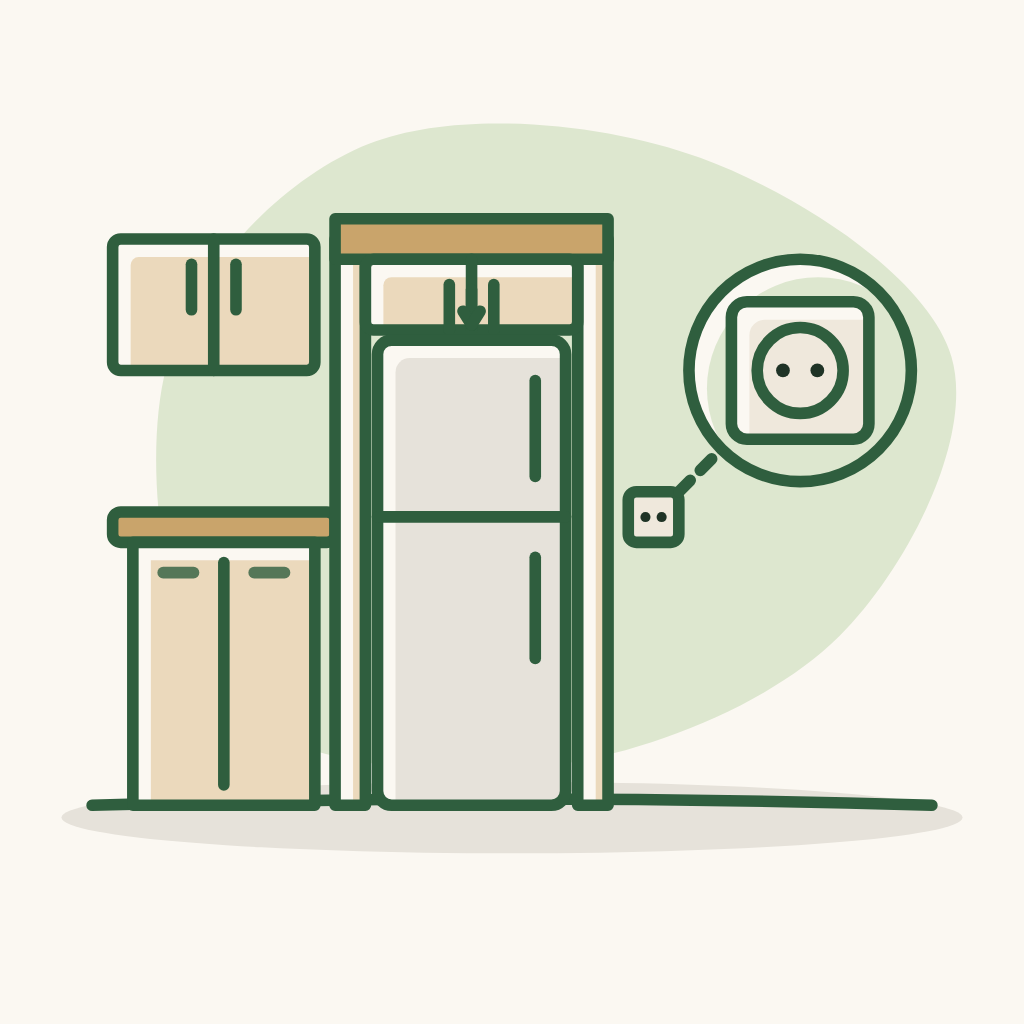
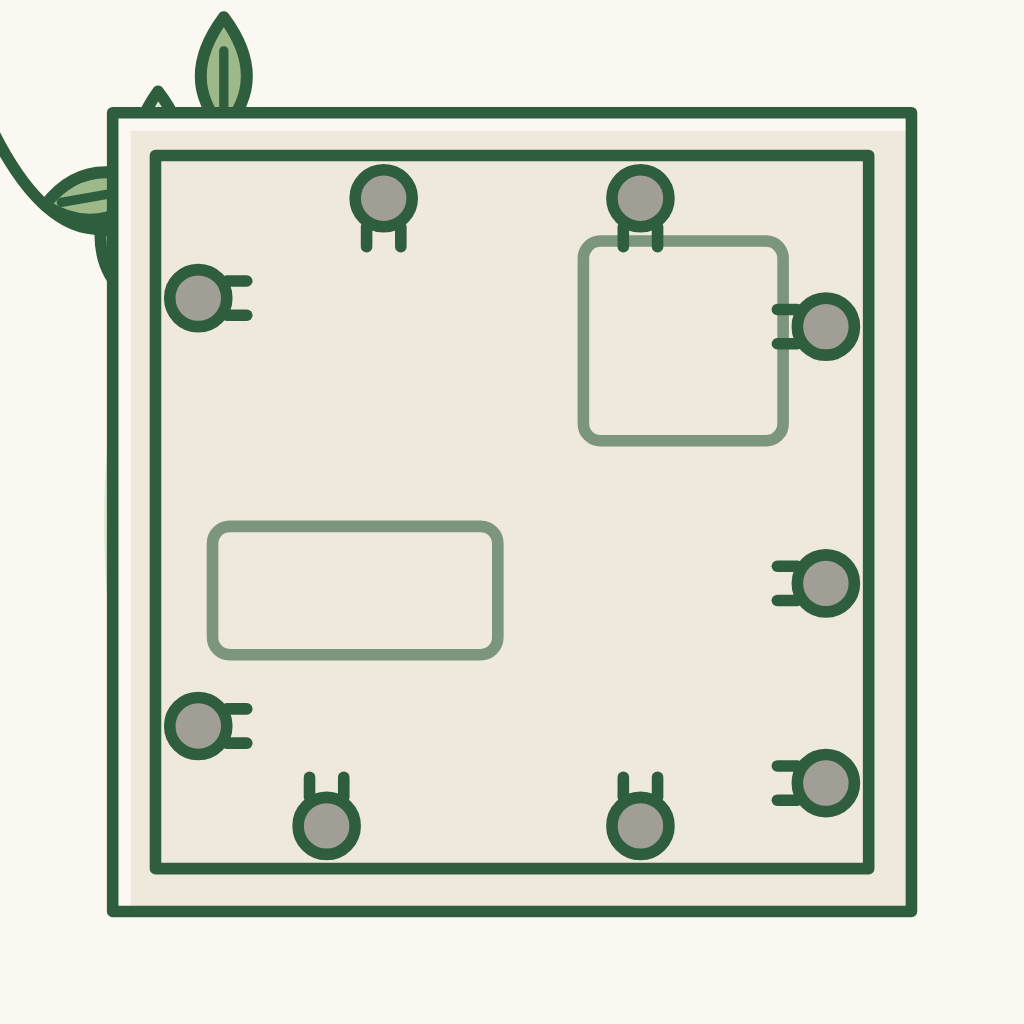
Brainstorm all the positions that need power sockets; slightly more sockets - 2, 3 or 4 depending on the area; use universal sockets (fit every kind of plug). Heavily used areas (living room, kitchen, shared area...): better too many than too few - always have a socket ready when needed or when adding equipment.
Electrical design with spare capacity

Electrical design with spare capacity

Electrical designed around the family's usage habits and with spare reserve capacity for the future (kitchen and toilet appliances...) - buying more equipment does not mean re-running wires; heavily used areas (living room, kitchen, shared area...) get even more spare capacity.

Adding a floor later

Adding a floor later

Adding a floor later without breaking walls or running exposed wires: prepare electrical and water lines in advance for connecting.

Easy, safe electrical maintenance

Easy, safe electrical maintenance

Easy and safe electrical maintenance: a separate circuit breaker (CB / aptomat) for each room on the electrical panel; choose the right type of CB for each circuit.

Master switch for the whole house
Question

Master switch for the whole house

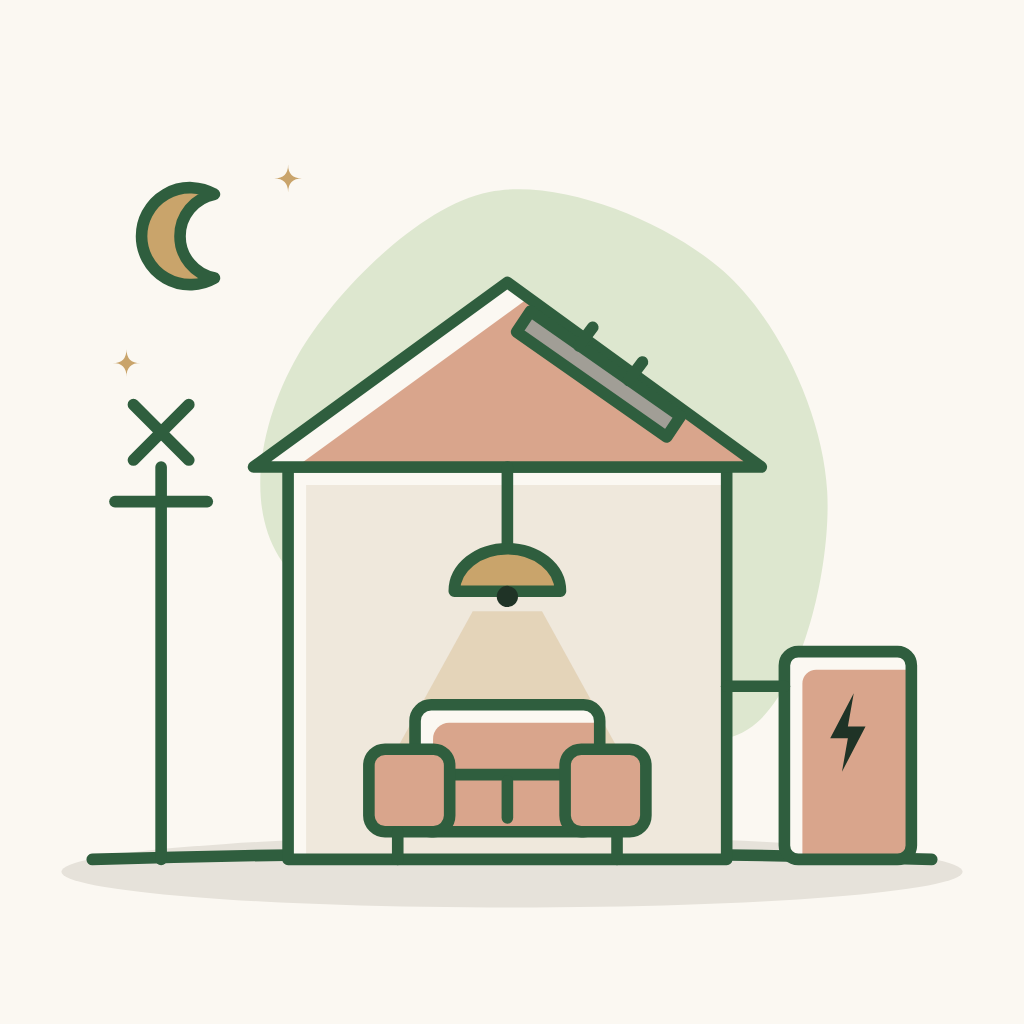
Have 1 master switch for the whole house (e.g. when away): press it to cut all power, except the fridge, cameras and wifi / network. Besides the fridge, cameras and wifi - what other equipment should keep power when the master switch is off?

Separate wiring per light and device

Separate wiring per light and device

Each light bulb, fan and device on its own wiring: its own live wire + neutral wire, not sharing one neutral wire, not borrowing wires - when one line fails, only that line is repaired, easy to fix.

DC-motor ceiling fans

DC-motor ceiling fans

DC-motor ceiling fans, 2 of them: living room + kitchen - the architect advises on the style.

Electrical safety

Electrical safety

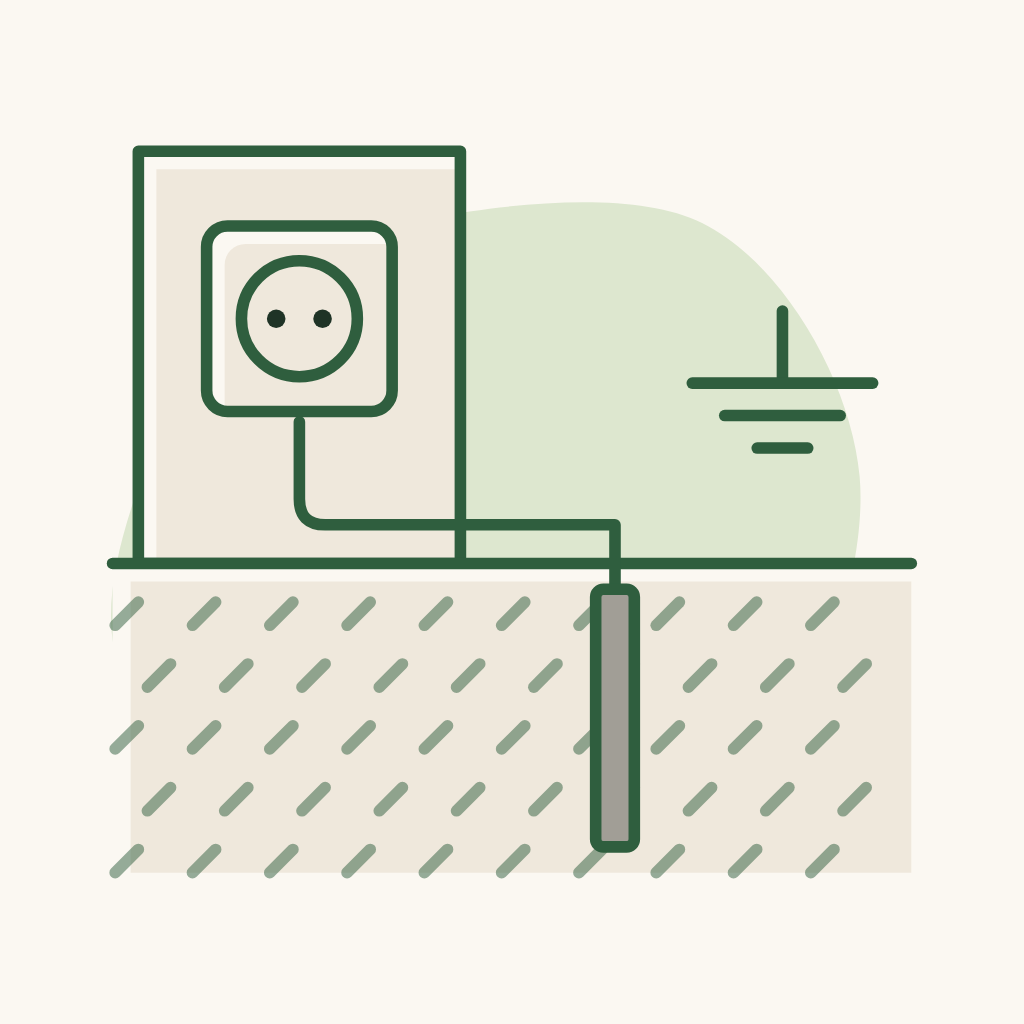
Electrical safety: the whole system is earthed (grounded); an earth wire accompanies every socket and device, including outdoors - devices do not leak current, no shocks.

Smart home is especially important

Smart home is especially important

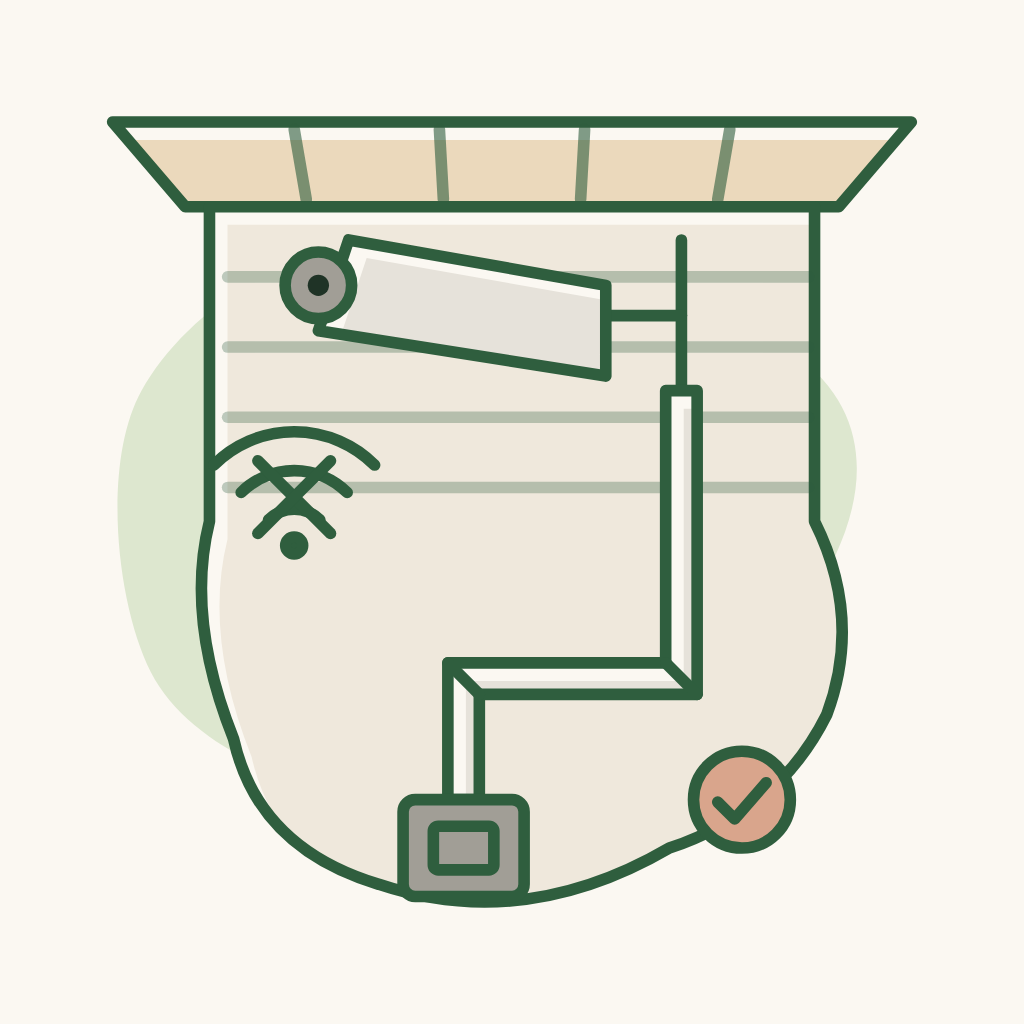
Smart home - especially important: alarm sensors, phone notifications... ensure security for the house, especially when away. Ready for automatic curtains and lights switched on/off through an app.

Recessed sockets
Question

Recessed sockets

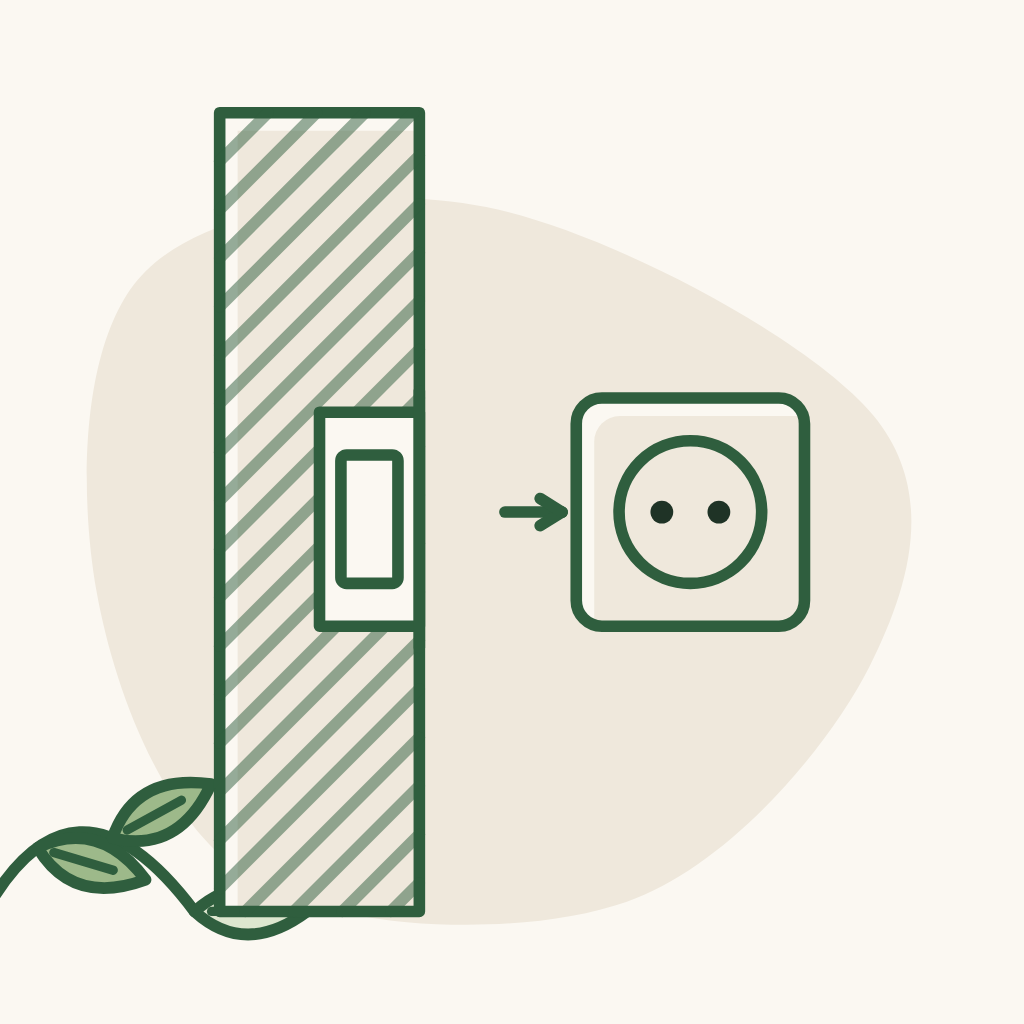
Should electrical devices and sockets be recessed into the wall?

Step 6

Surface finishing

0 notes

Floors, walls, ceilings, doors, paint.

Step 7

Equipment & built-in cabinetry

0 notes

Kitchen, sanitary ware, built-in cabinets.

Step 8

Furniture, lighting & decor

0 notes

Loose furniture and lighting, done last inside the house.

Step 9

Garden & exterior

0 notes

Gate, yard, plants, irrigation.

Step 10

Handover, operation & maintenance

0 notes

Checks before taking over the house and after moving in.