



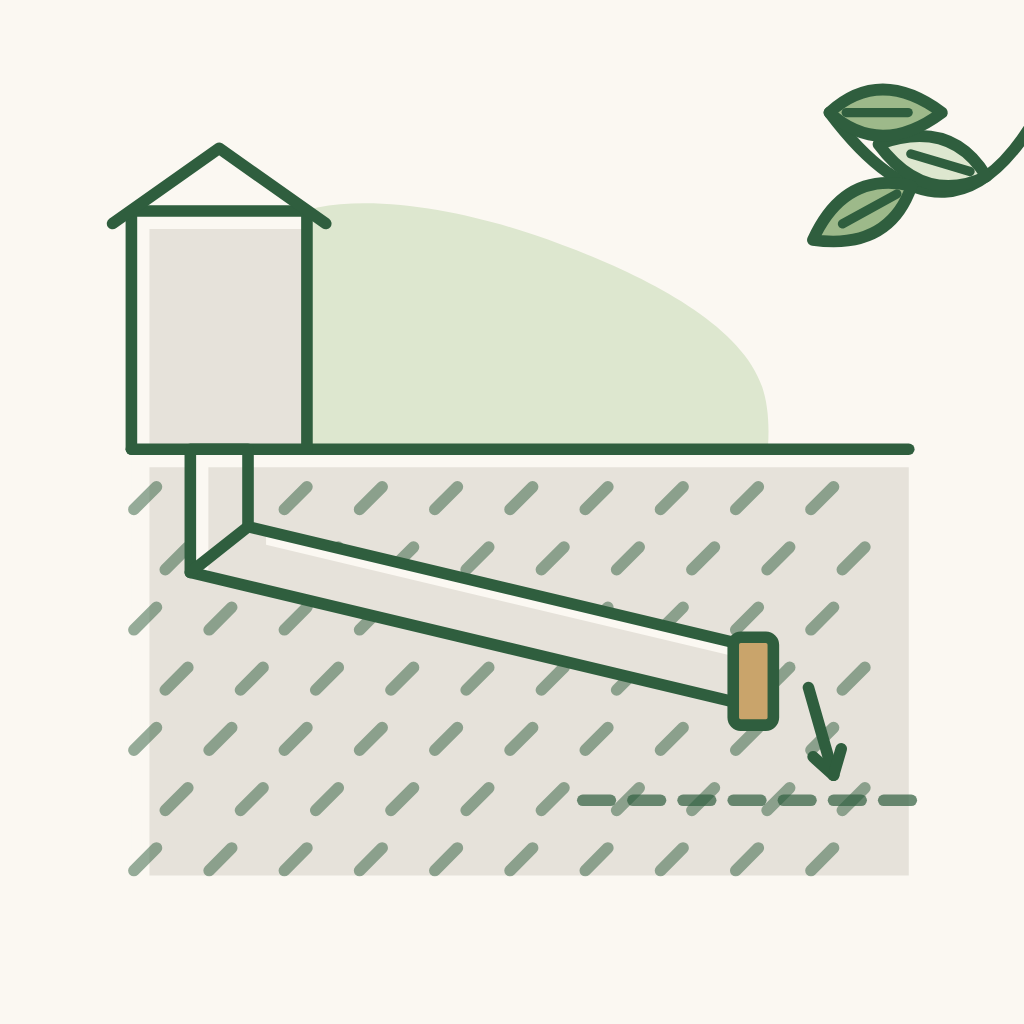
Wastewater drains well
Wastewater drains well even though the area has no public sewer yet; connecting later when a sewer arrives is easy.
Louis House
Goals, requirements and questions - the architect proposes solutions
144 notes
Wastewater drains well even though the area has no public sewer yet; connecting later when a sewer arrives is easy.
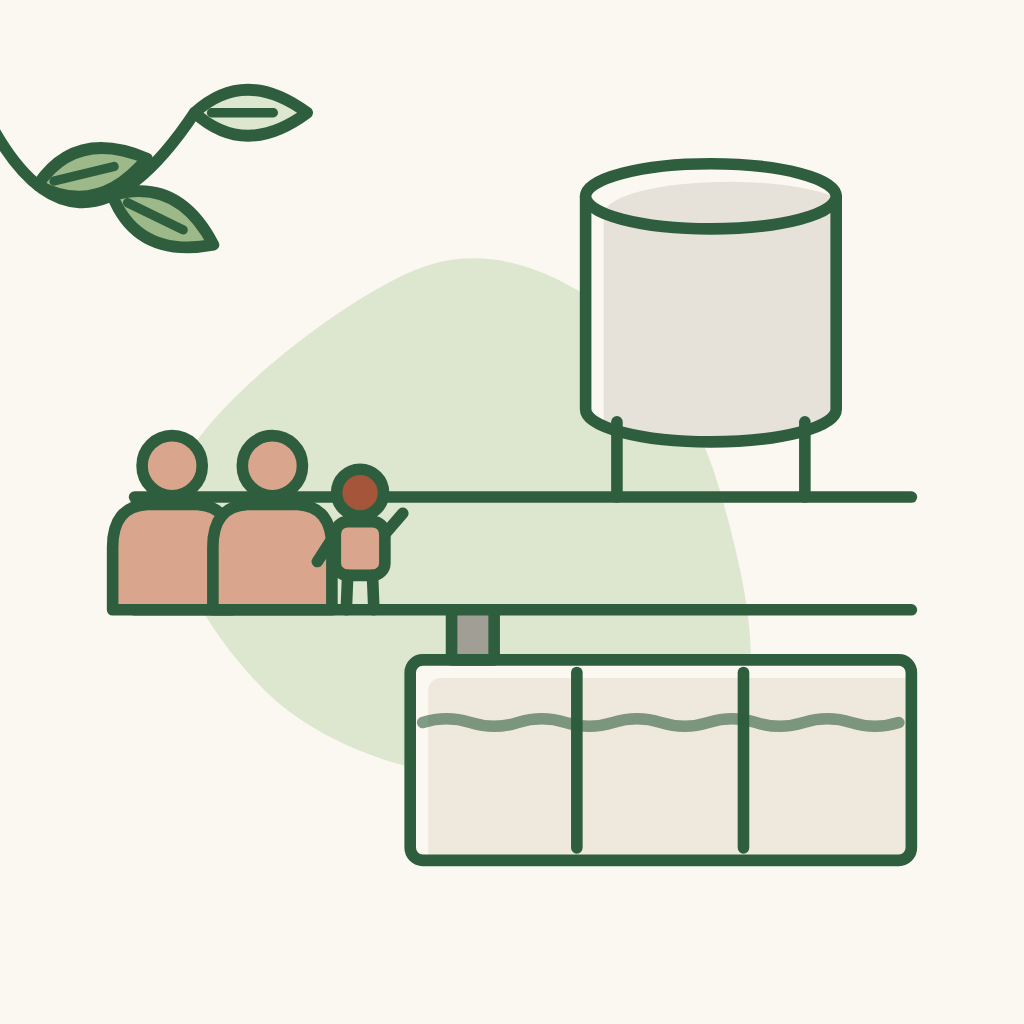
Septic tank, water tank and the parts that are hard to change later are sized for the number of future users: currently 3-4 people, later 5-8 people (3 generations).
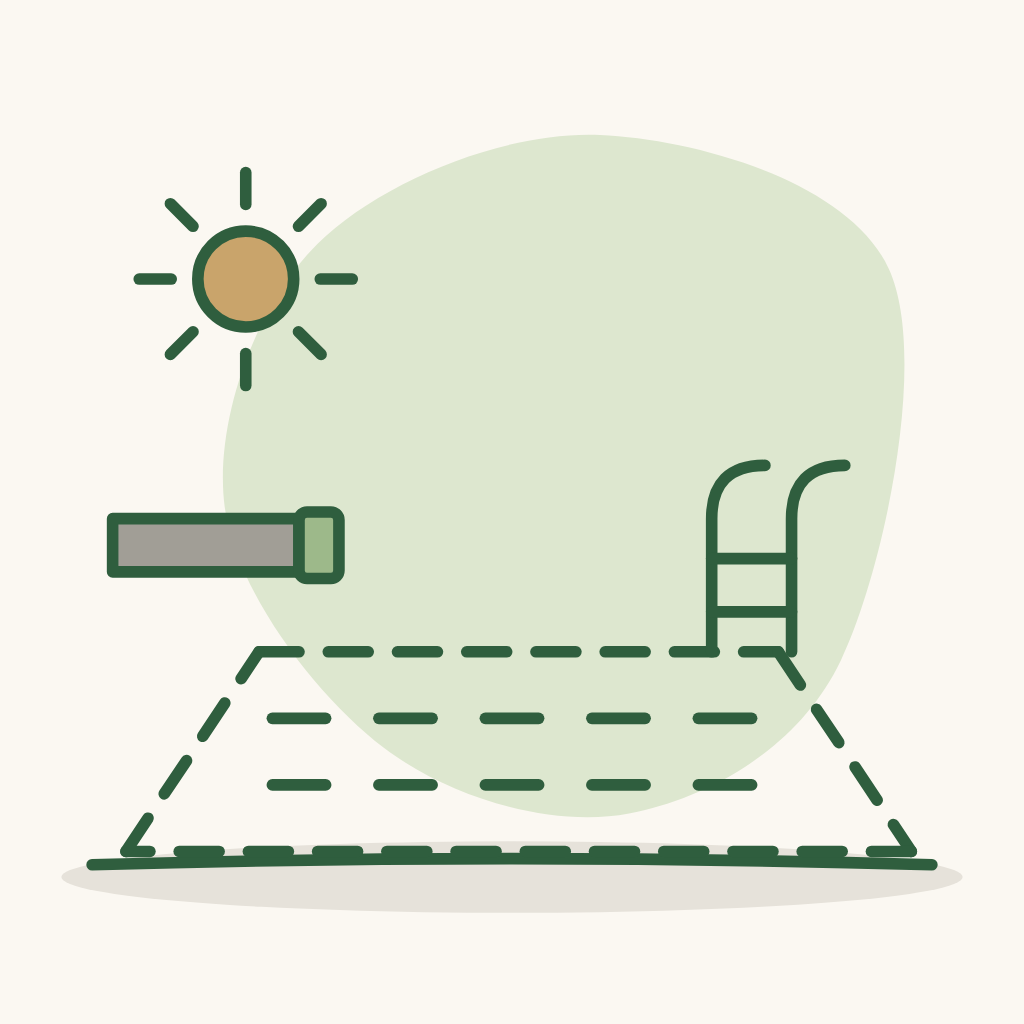
Future swimming pool (maybe 10-20 years from now): plan the space so there is room to build it then; leave the water line ready.
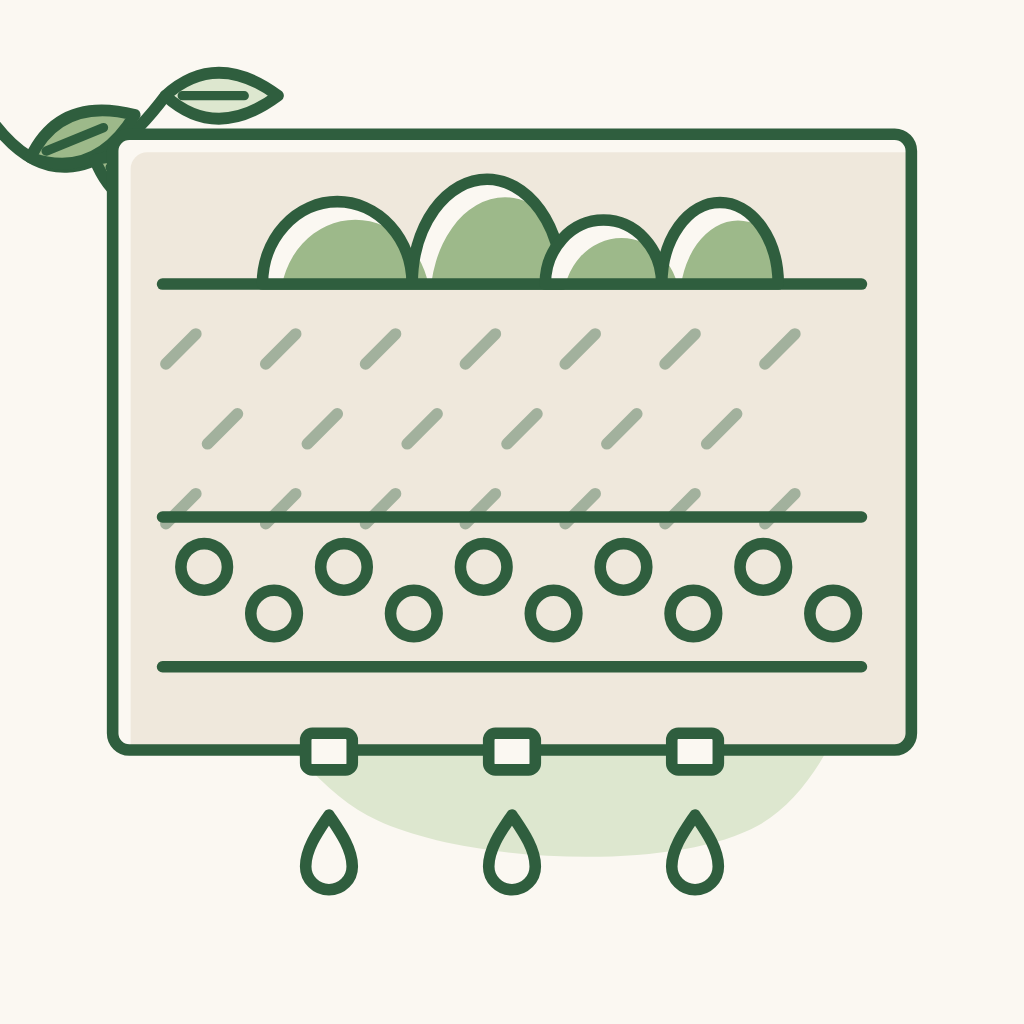
The garden and planters drain well, with no standing water.
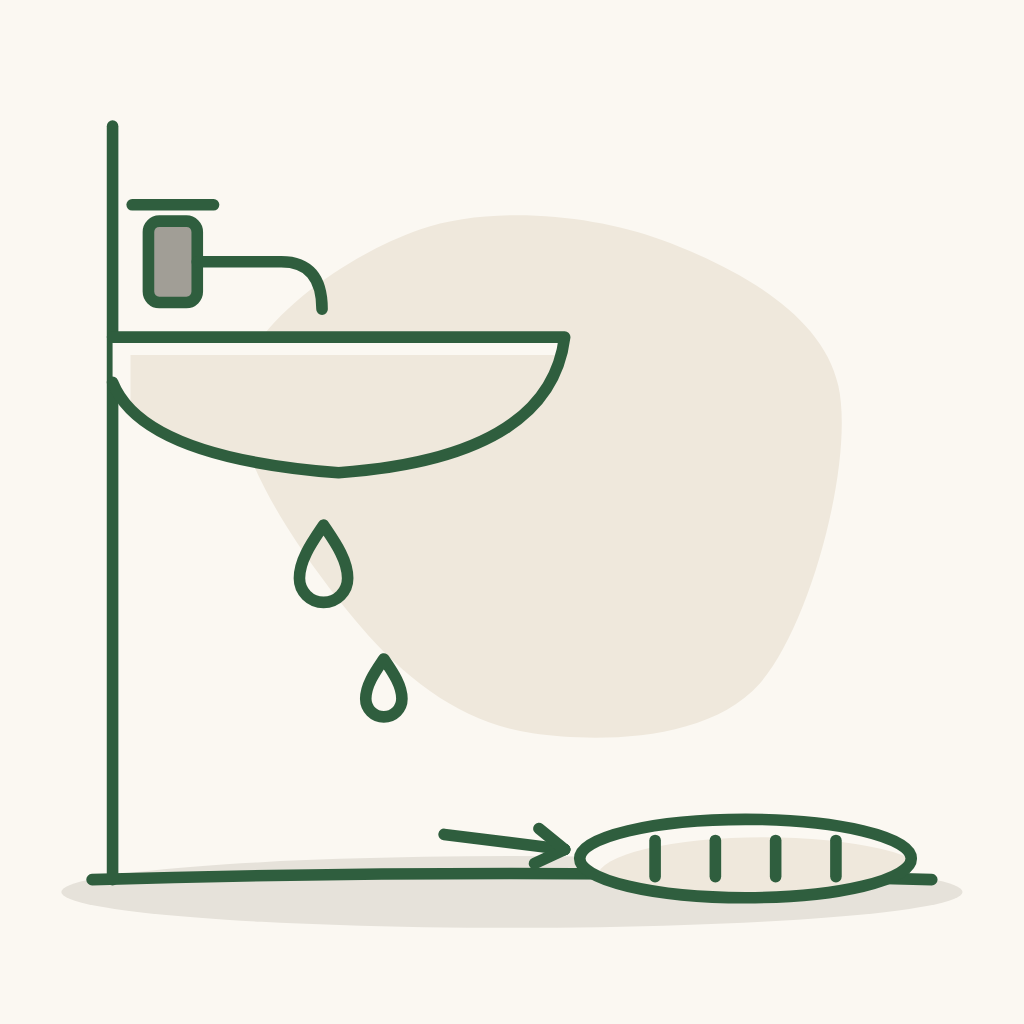
The dry toilet area also has a drain hole - because it still gets wet from hand washing and bathing.
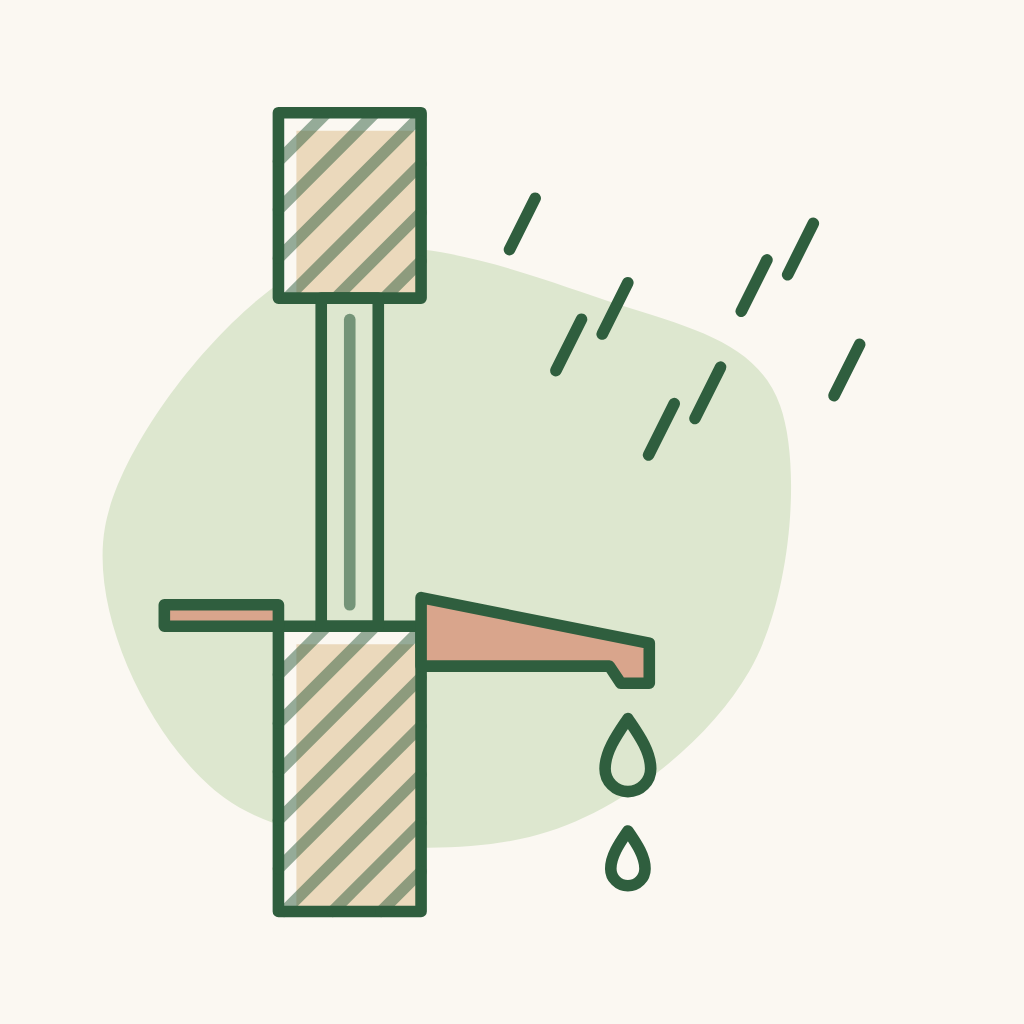
Doors and windows: what needs to be done so rain water does not pool or flow in? Are drain holes needed?
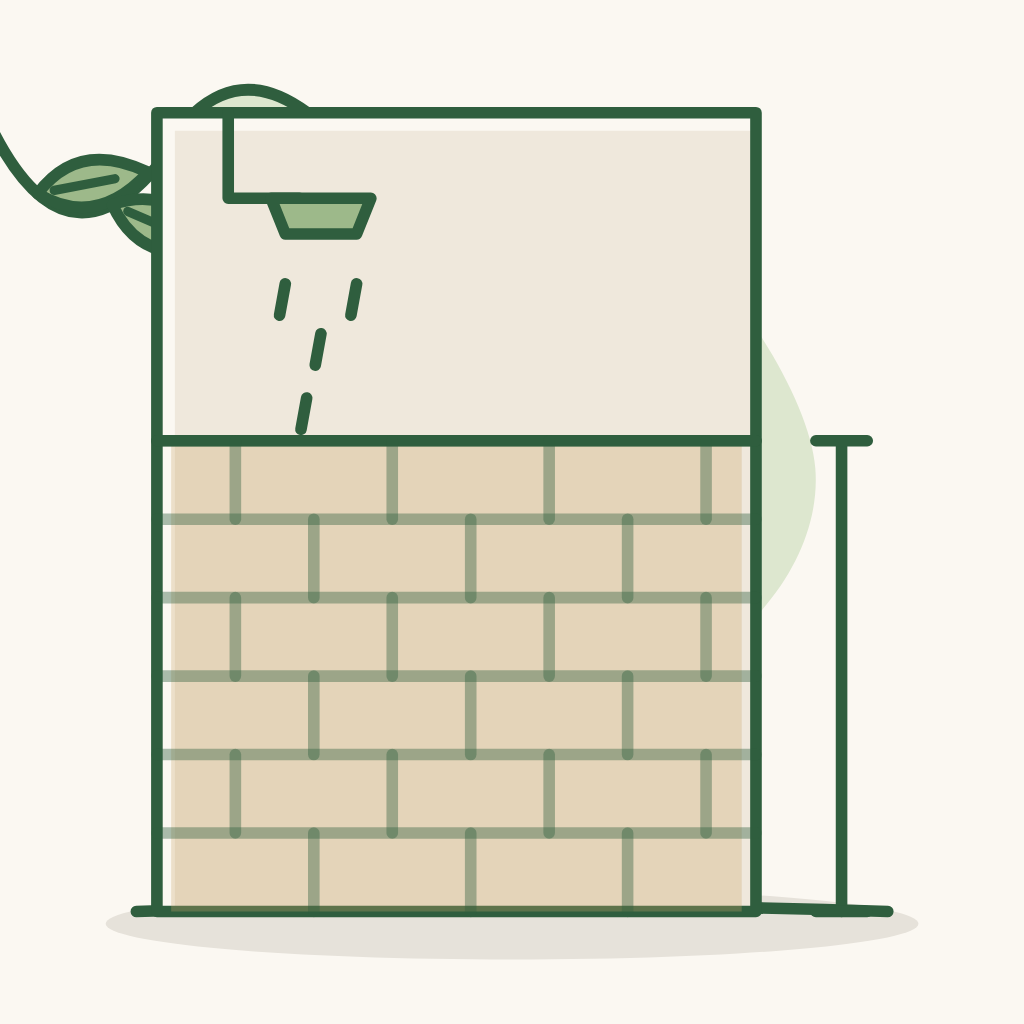
Should bathroom waterproofing go up to 1.8-2 m, or is the whole wall better? Is reverse waterproofing on the ceiling of the floor below needed? Should waterproofing be tested by flooding for 72 hours?
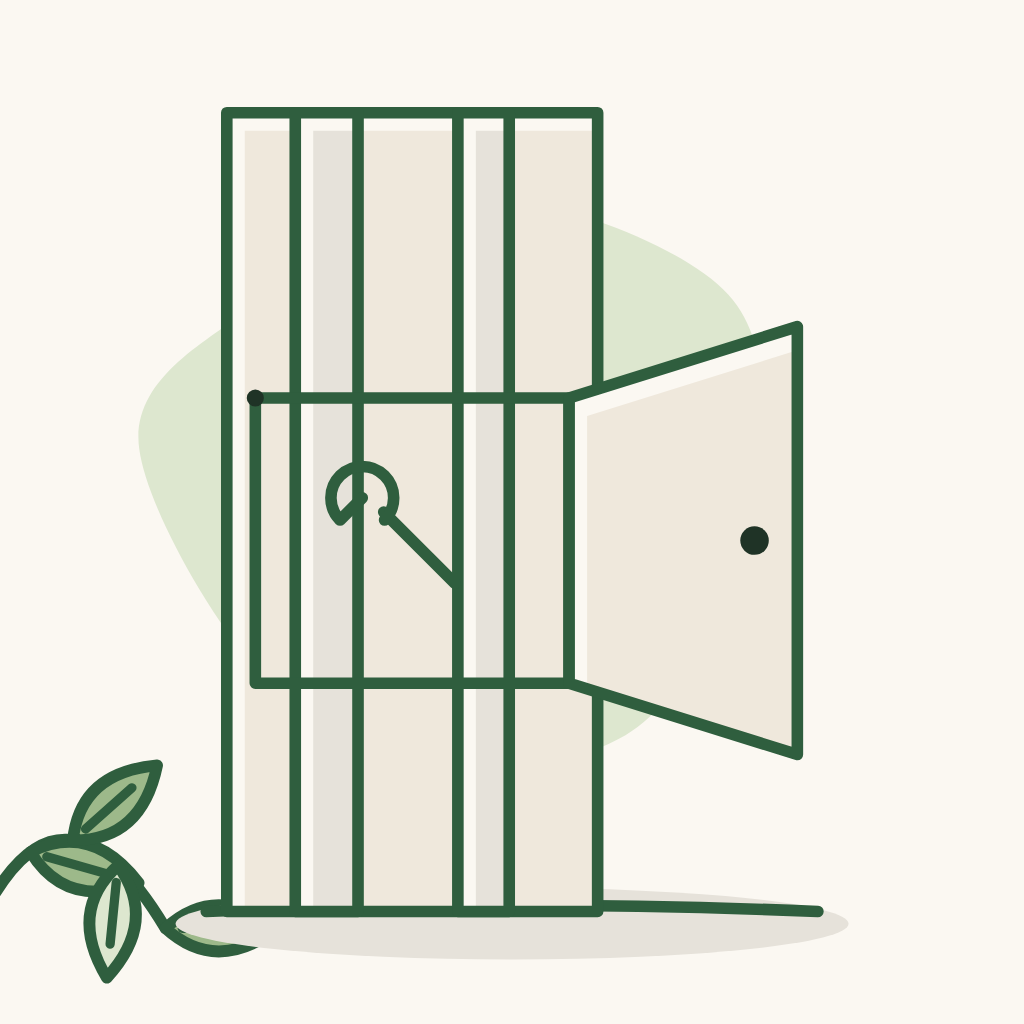
Pipe maintenance without breaking into walls: when repairs, unclogging or septic tank pumping are needed, there are ready openings to feed the hose in.
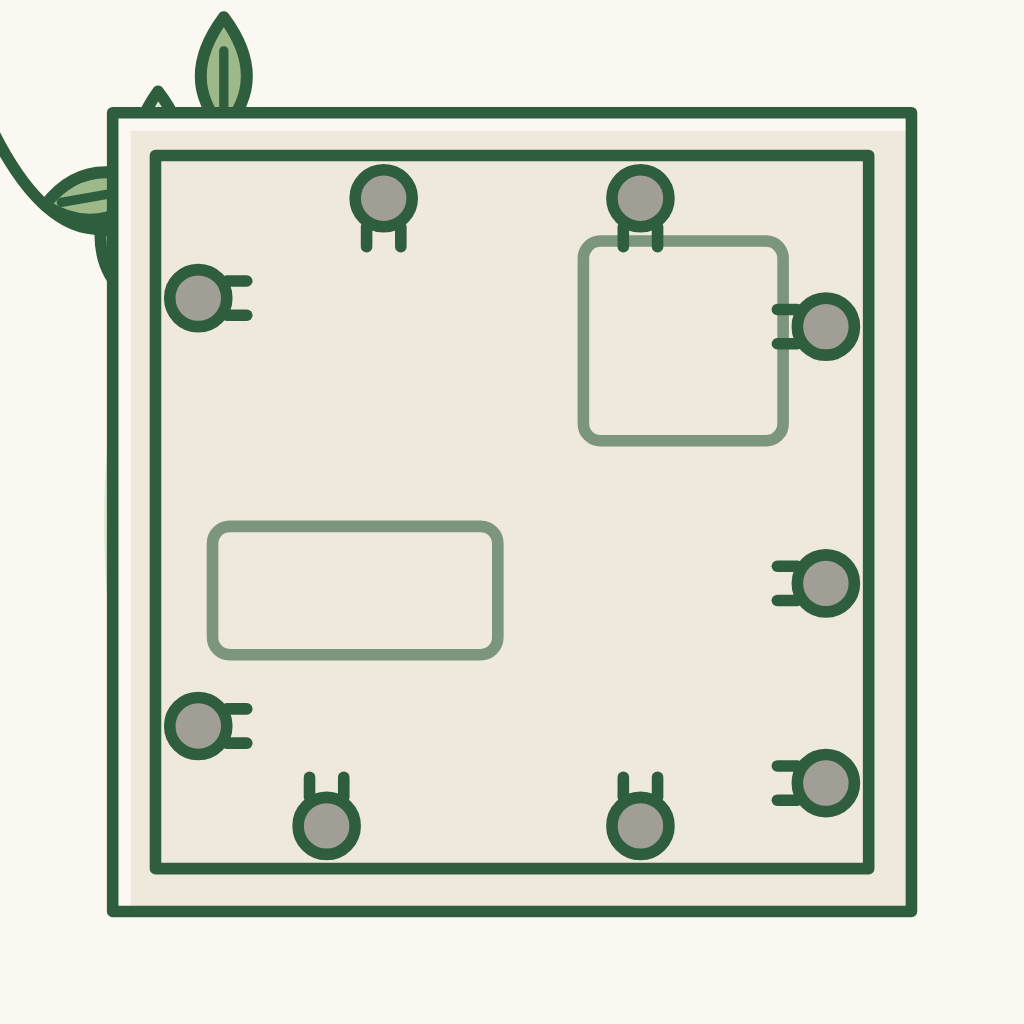
Brainstorm all the positions that need power sockets; slightly more sockets - 2, 3 or 4 depending on the area; use universal sockets (fit every kind of plug). Heavily used areas (living room, kitchen, shared area...): better too many than too few - always have a socket ready when needed or when adding equipment.
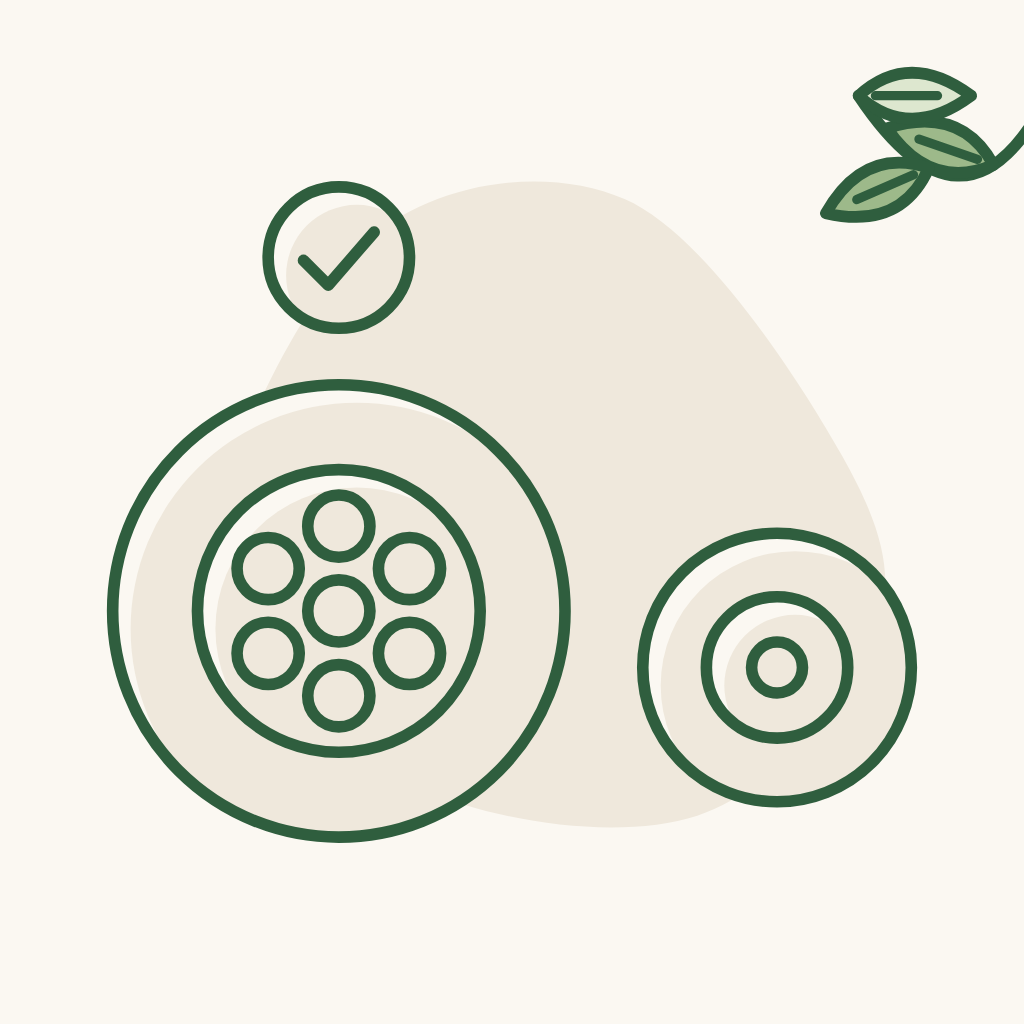
Electrical designed around the family's usage habits and with spare reserve capacity for the future (kitchen and toilet appliances...) - buying more equipment does not mean re-running wires; heavily used areas (living room, kitchen, shared area...) get even more spare capacity.
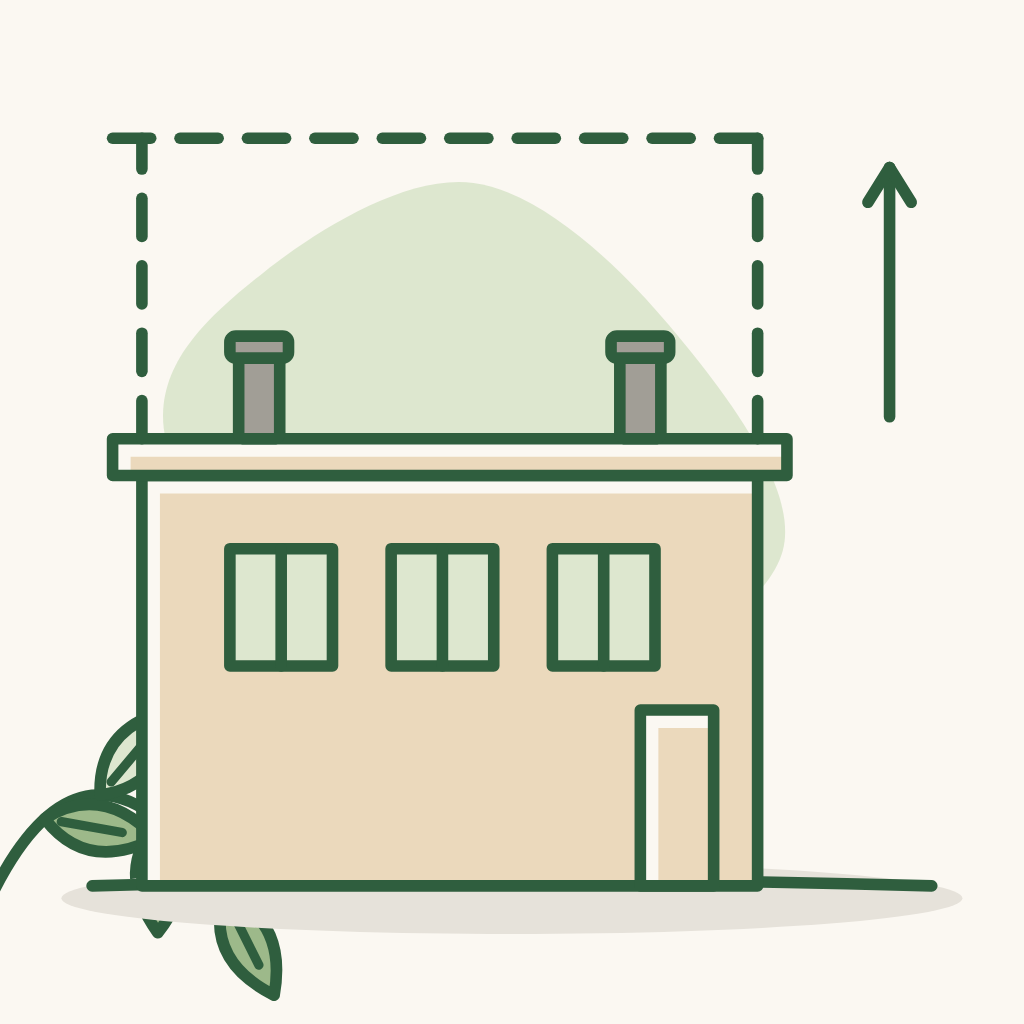
Adding a floor later without breaking walls or running exposed wires: prepare electrical and water lines in advance for connecting.
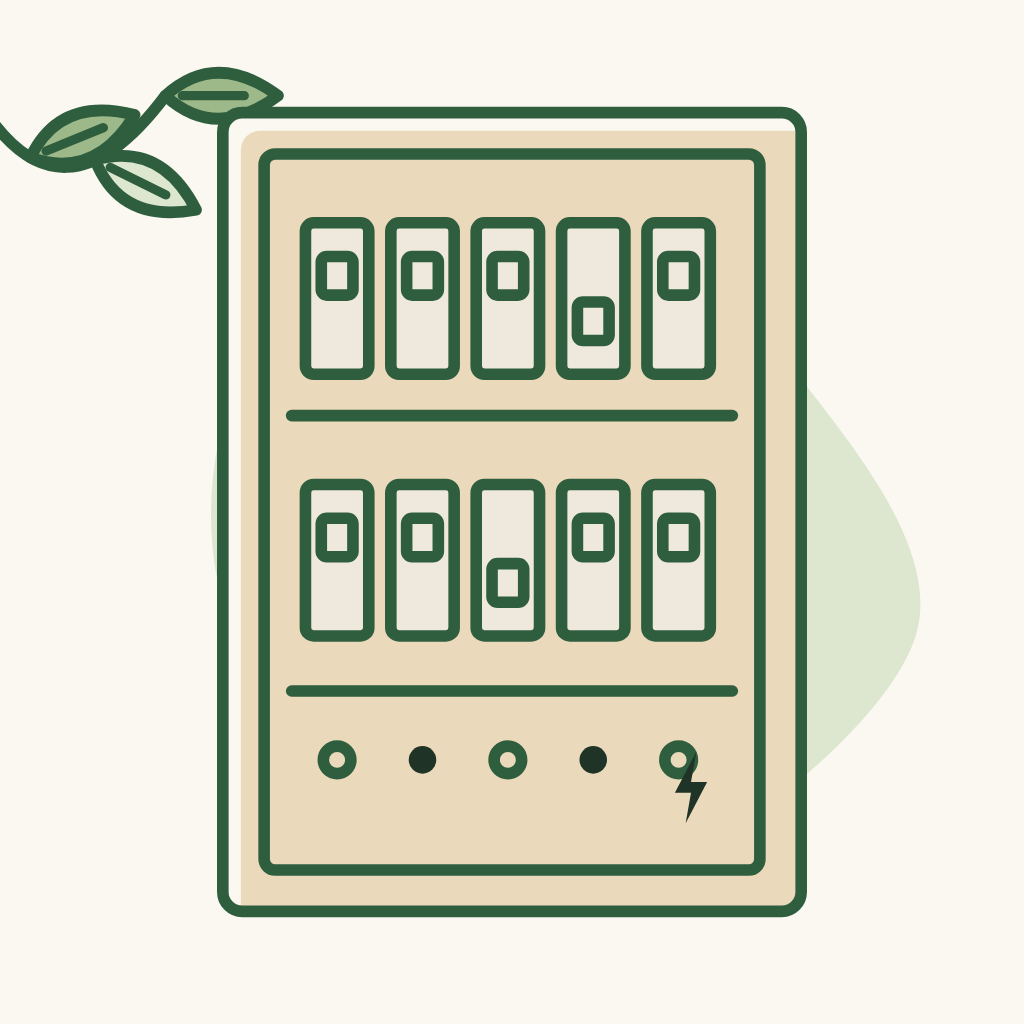
Easy and safe electrical maintenance: a separate circuit breaker (CB / aptomat) for each room on the electrical panel; choose the right type of CB for each circuit.
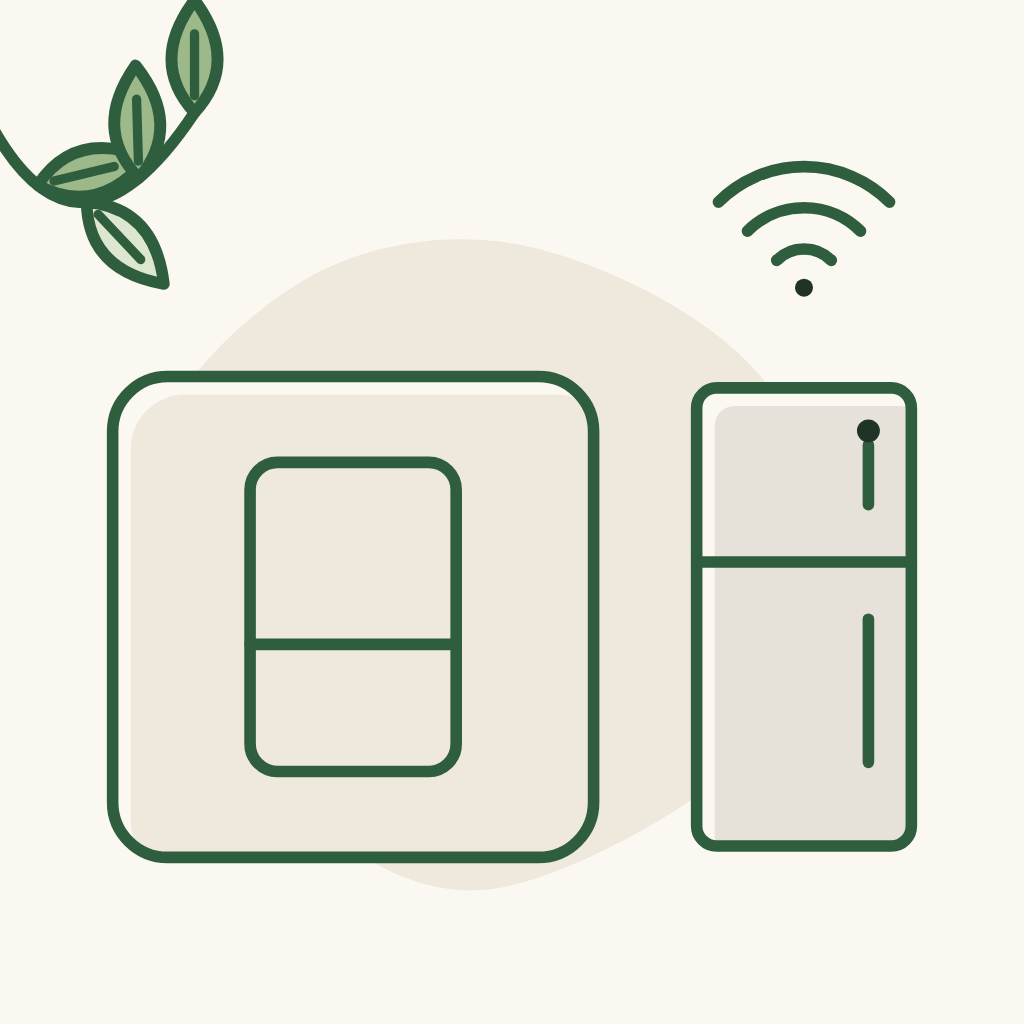
Have 1 master switch for the whole house (e.g. when away): press it to cut all power, except the fridge, cameras and wifi / network. Besides the fridge, cameras and wifi - what other equipment should keep power when the master switch is off?
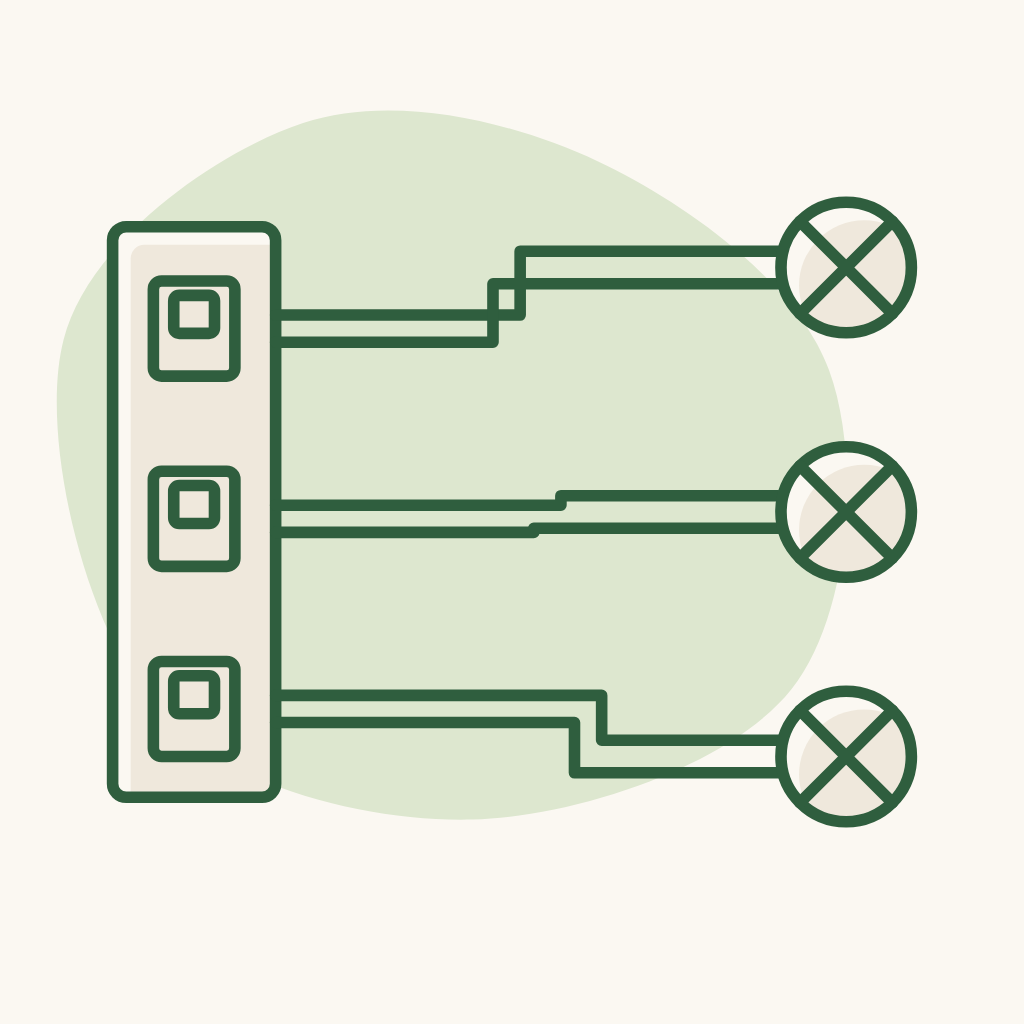
Each light bulb, fan and device on its own wiring: its own live wire + neutral wire, not sharing one neutral wire, not borrowing wires - when one line fails, only that line is repaired, easy to fix.
DC-motor ceiling fans, 2 of them: living room + kitchen - the architect advises on the style.
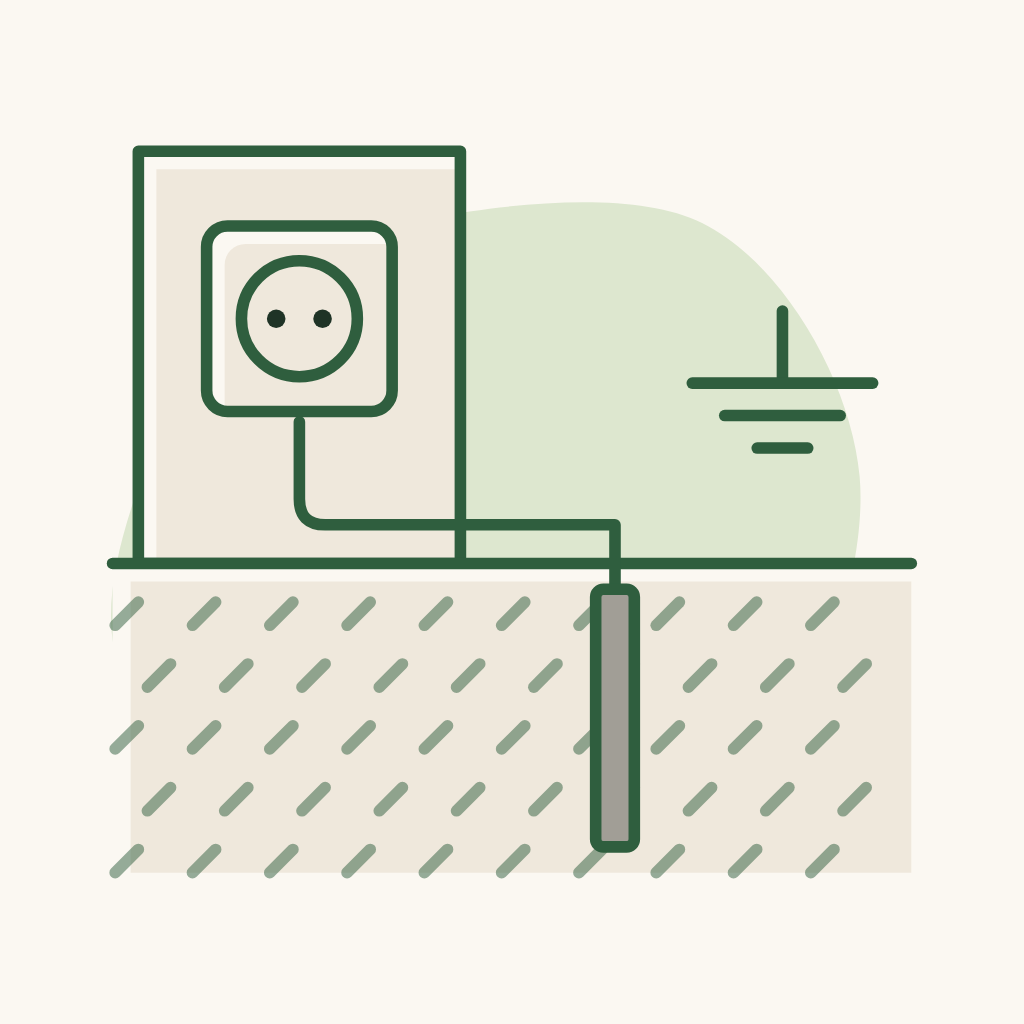
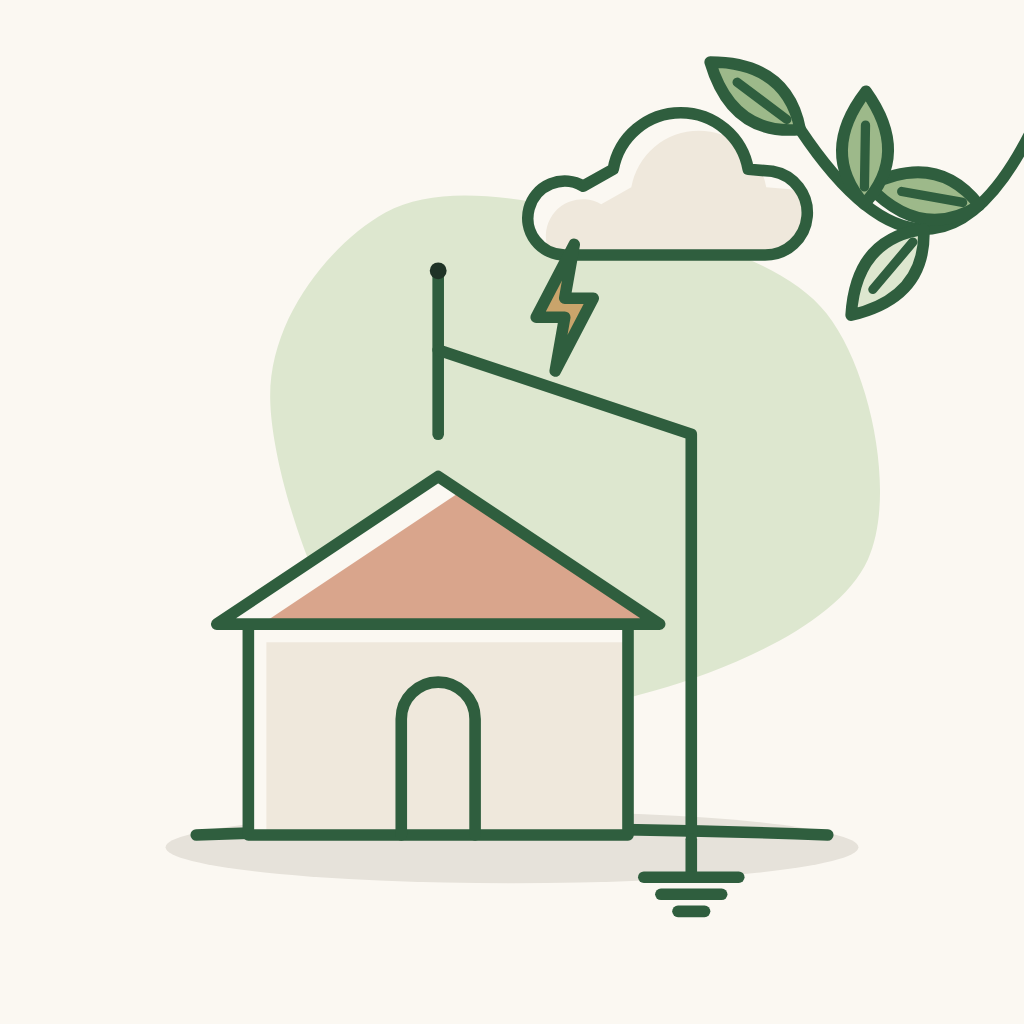
Electrical safety: the whole system is earthed (grounded); an earth wire accompanies every socket and device, including outdoors - devices do not leak current, no shocks.
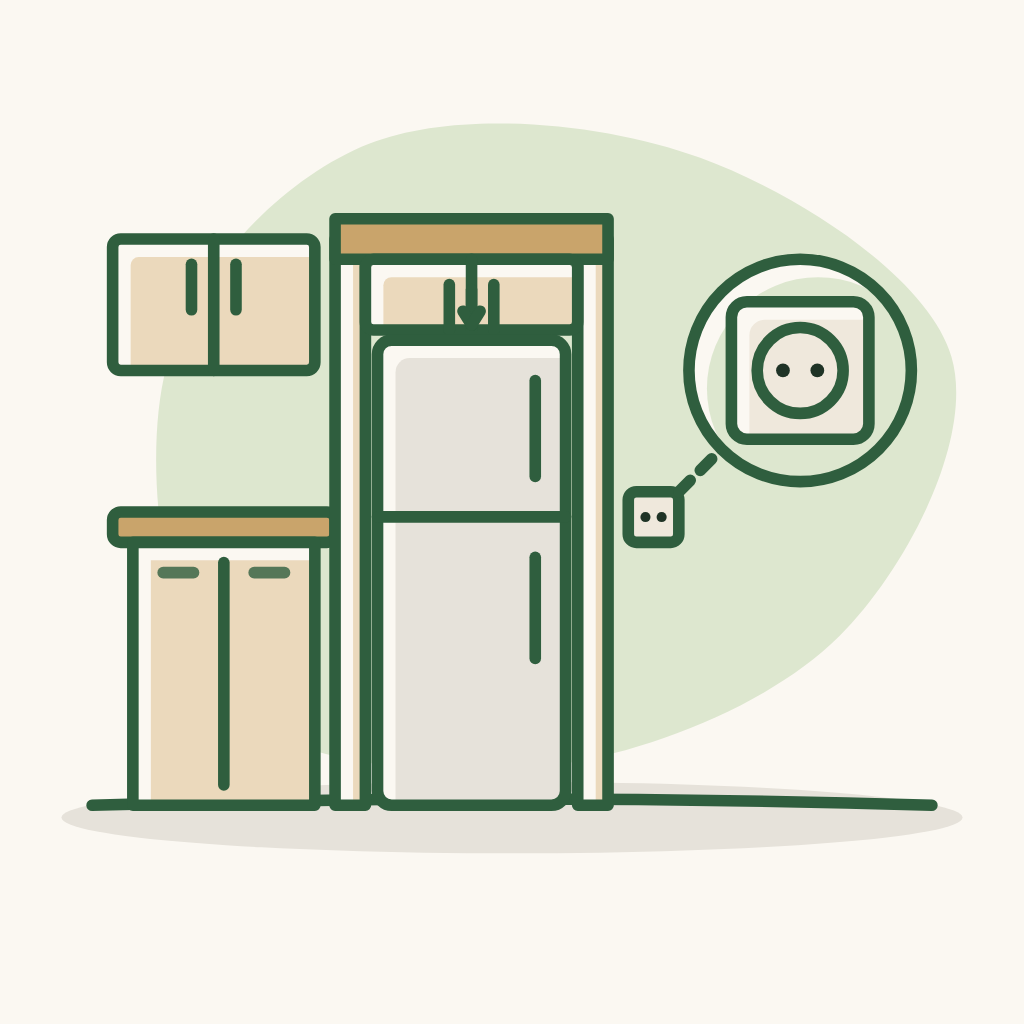
Fridge and washing machine can be pushed in tight against the cabinet: sockets placed at the side, not behind.
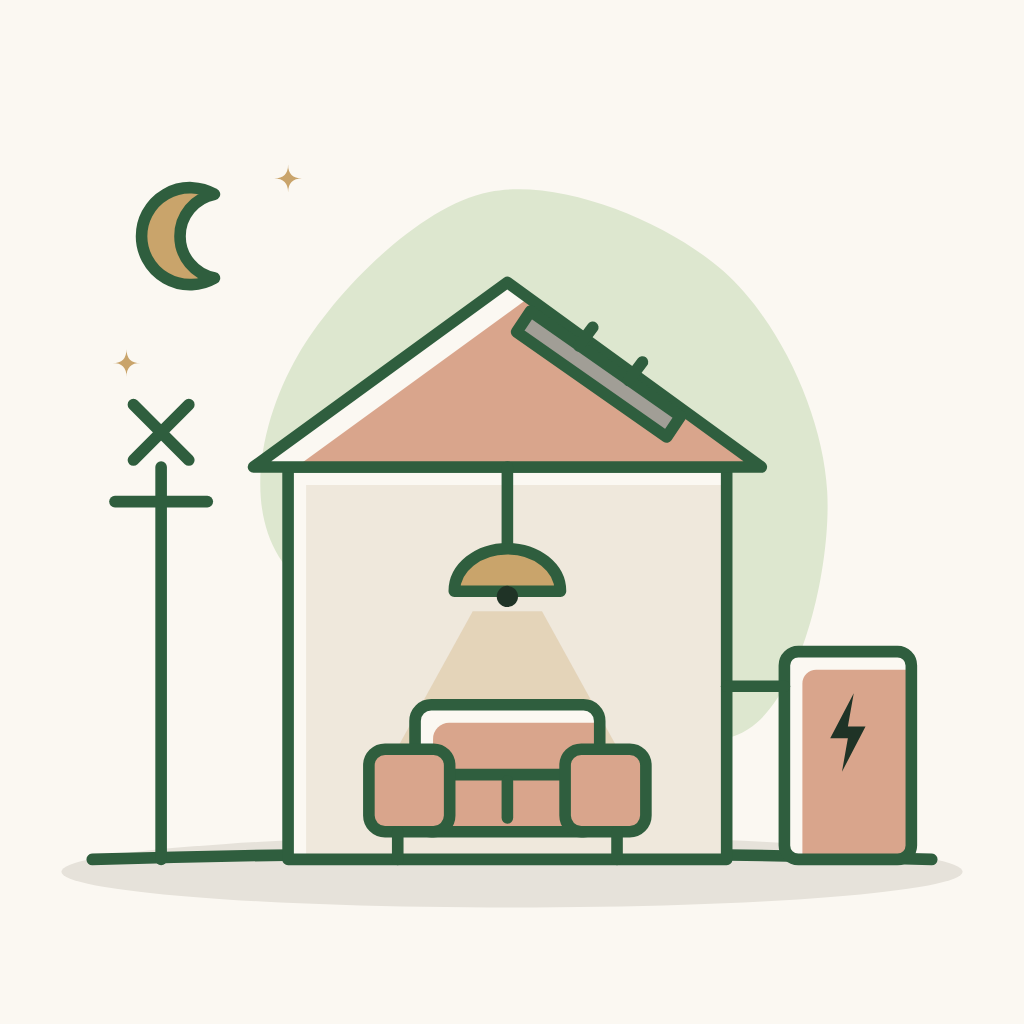
Backup power during a power outage.
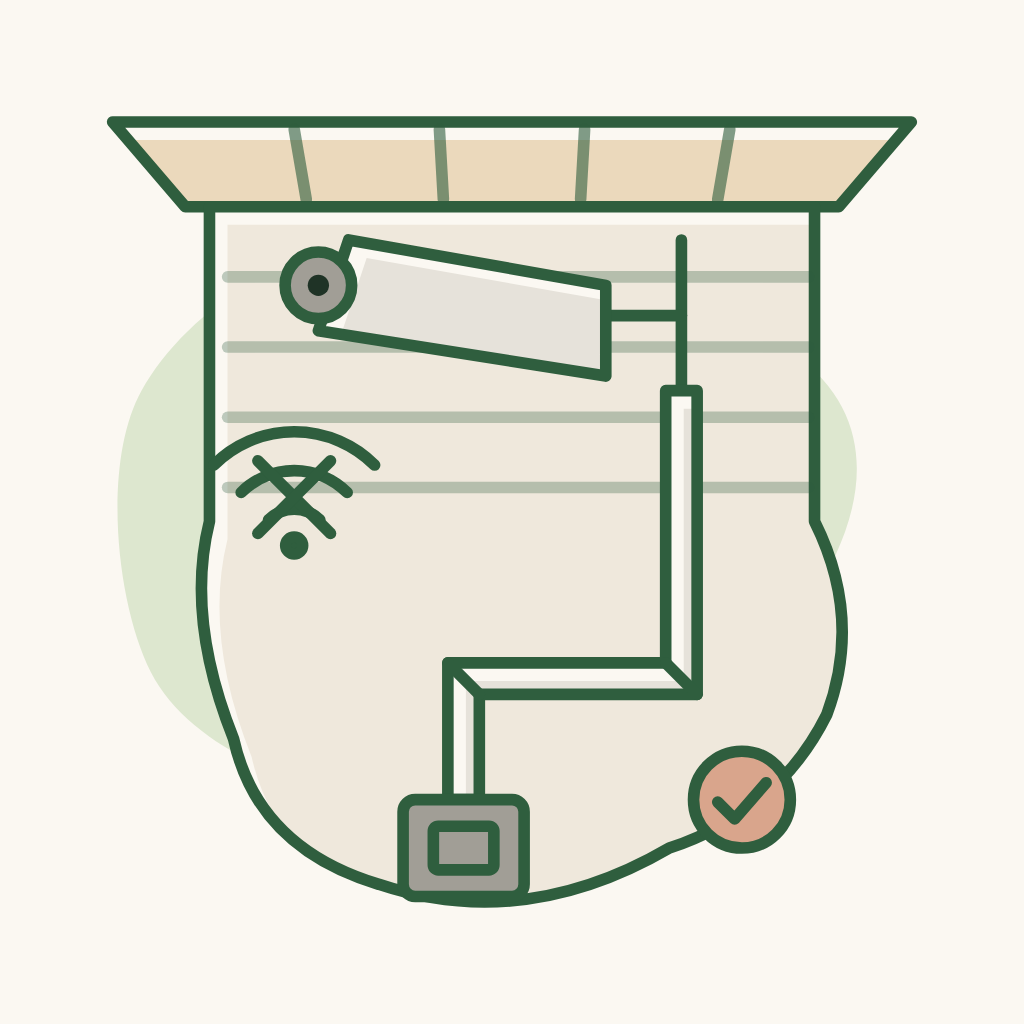
Cameras around and inside the house run stably, independent of wifi: each camera position has a power socket + network cable.

Smart home - especially important: alarm sensors, phone notifications... ensure security for the house, especially when away. Ready for automatic curtains and lights switched on/off through an app.
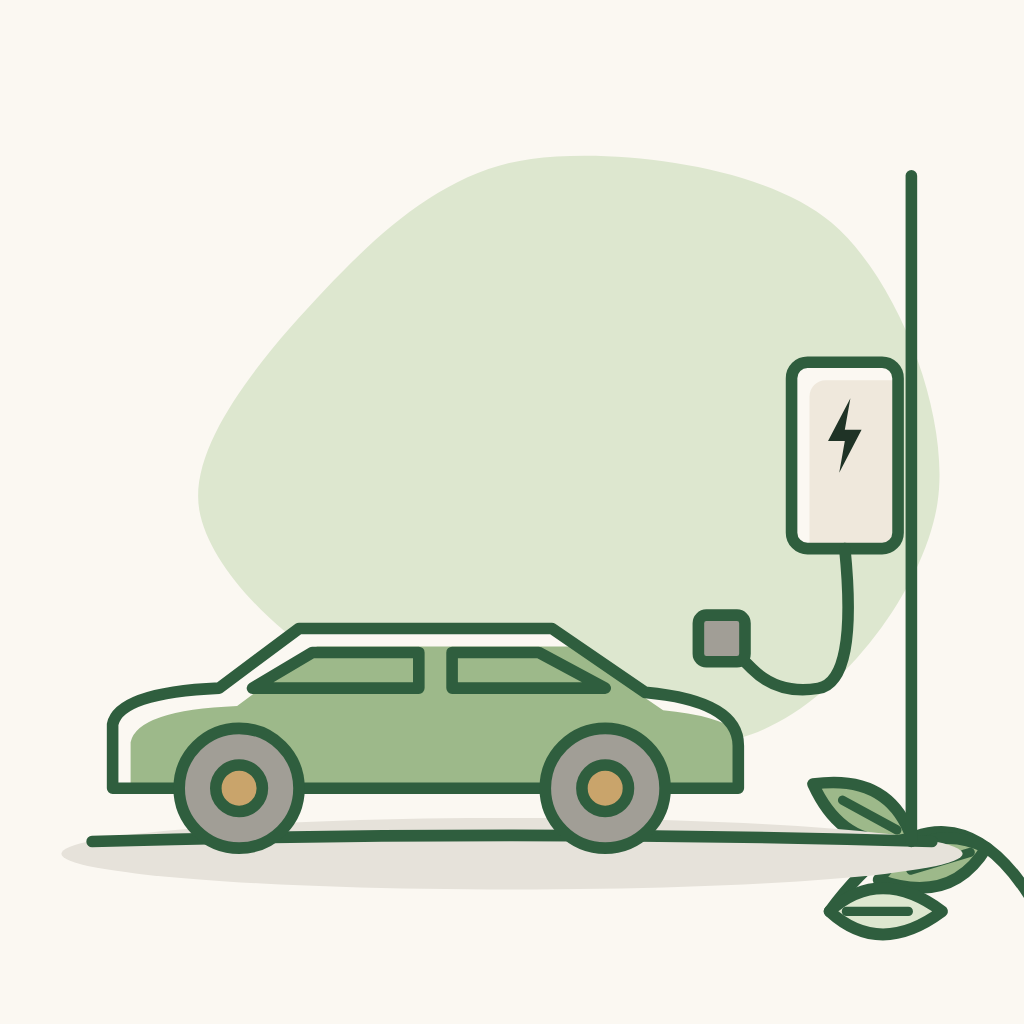
An EV charging spot (BYD or Geely) with a dedicated line, following the car maker's specifications.
The electrical panel and control boards do not spoil the look of the house.
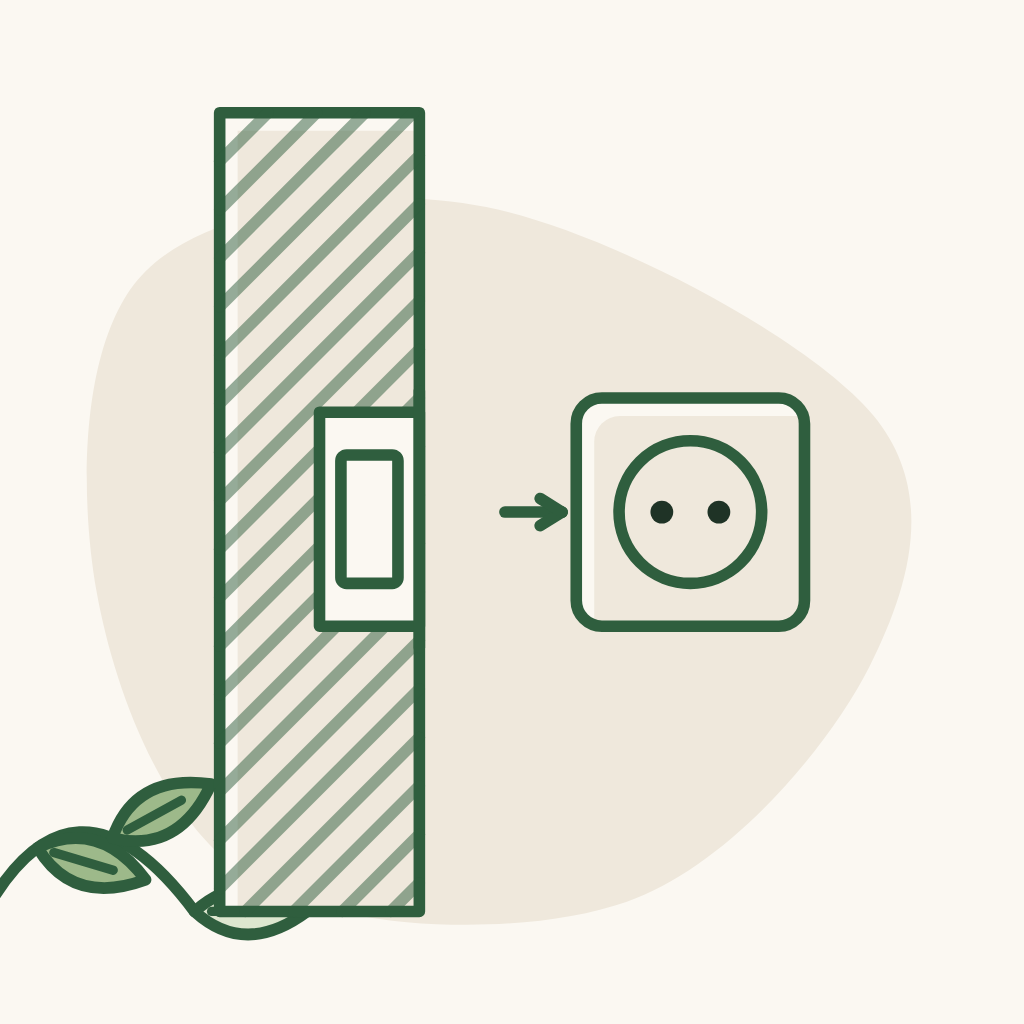

Low sockets, within reach of children under 6: with a child safety lock.
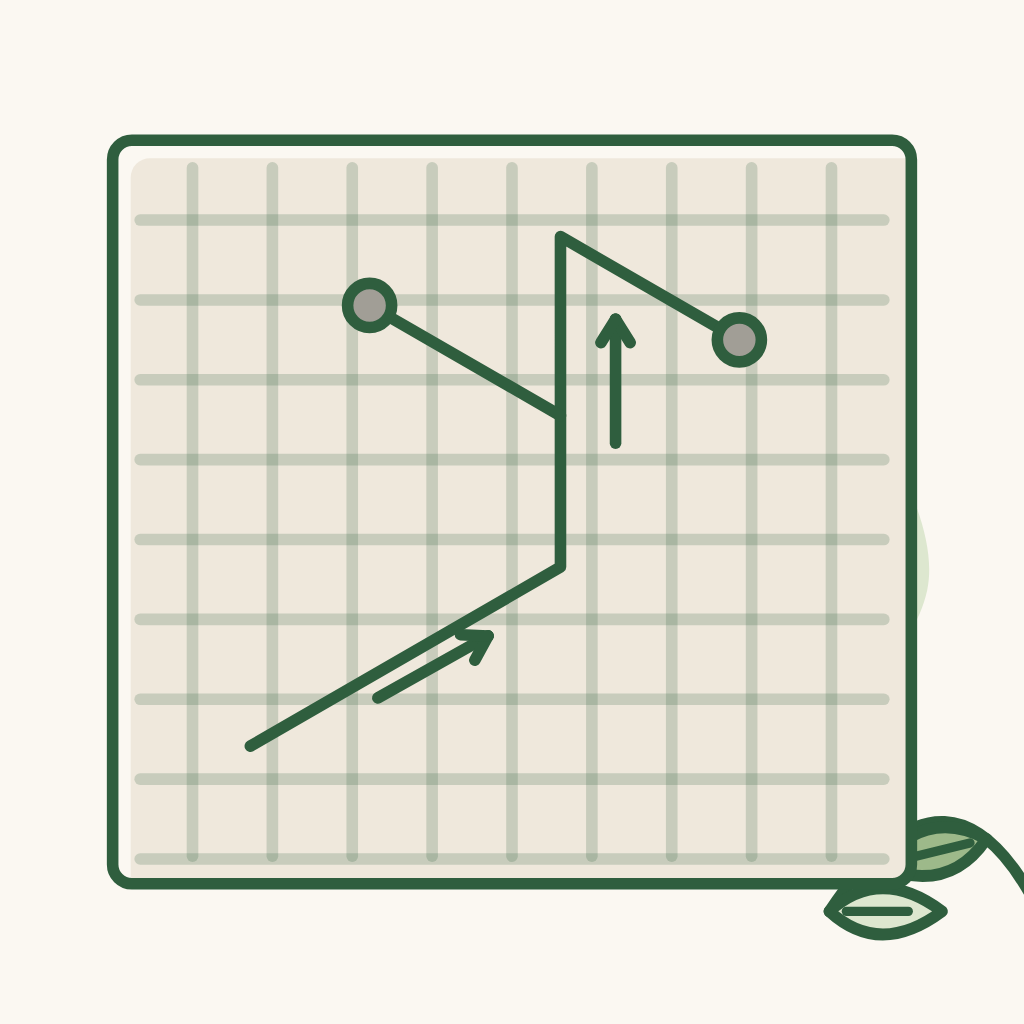
Detailed water supply and drainage MEP drawings so the architect and contractor work to the same standard - workers build to the drawings, not to habit. Do not cut costs on the water system.

Strong water flow, arriving quickly at every point of use.
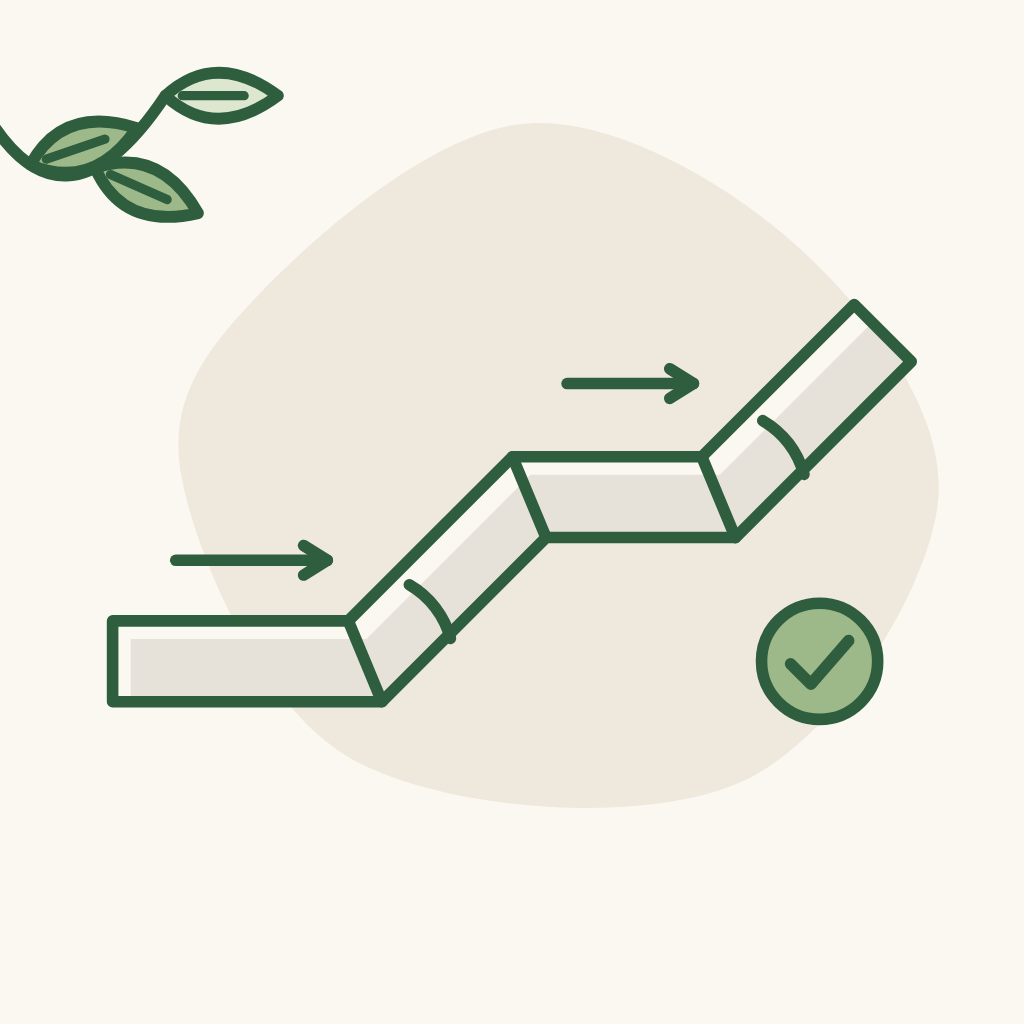
Pipe runs as short as possible (both supply and drainage), few sharp bends.
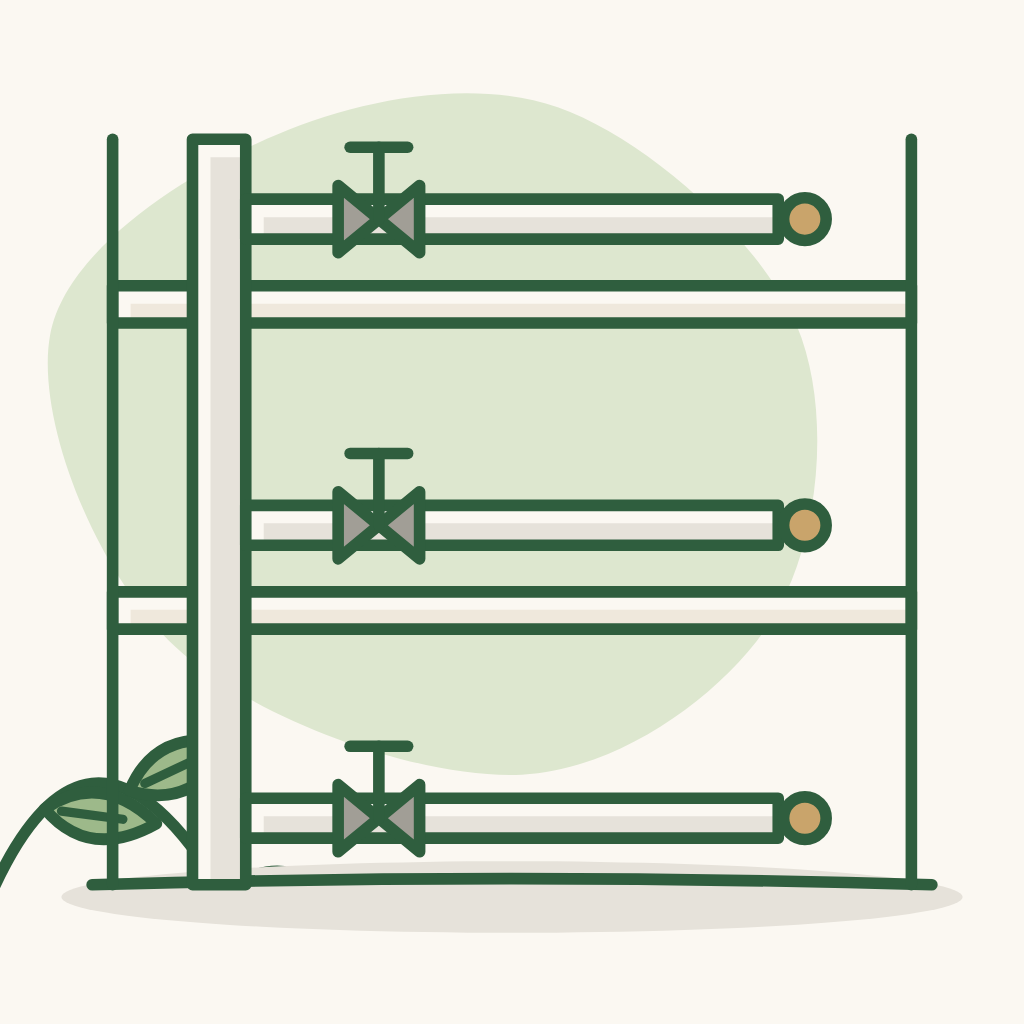
Water supply split by floor and area: if one area has a problem, only that area is shut off and repaired - other areas keep working normally.
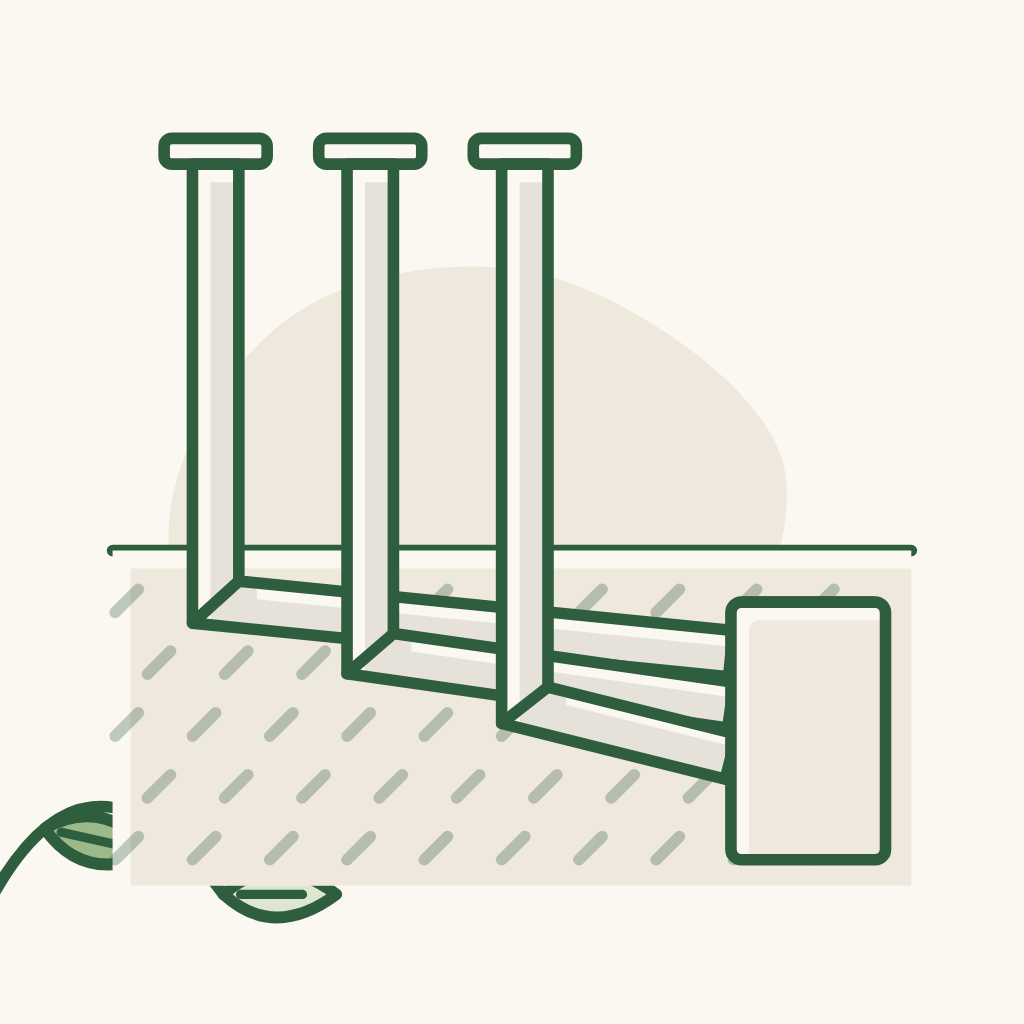
Separate drainage: a clog in one line does not paralyse or back up into another area.

Drains fast, does not clog: enough slope, with vent pipes for the drainage system.
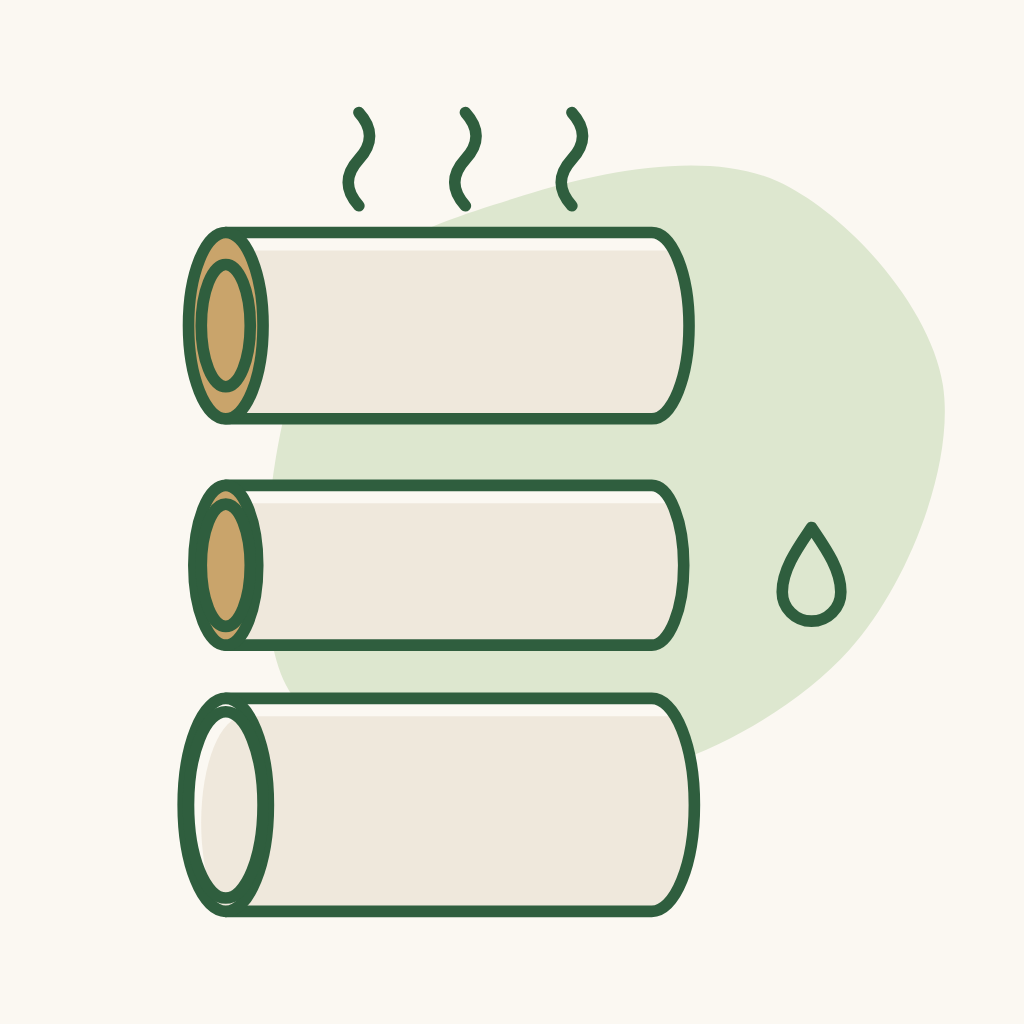
Durable pipes of the right type.
Detailed electrical drawings so the architect and contractor work to the same standard - workers build to the drawings, not to habit. Do not cut costs on the electrical system.
Do not share one supply among many electrical devices: each high-power device gets its own wiring run - e.g. the washer and dryer run separately; induction cooktop, oven, microwave, rice cooker, dishwasher... one run and one dedicated socket per machine (the kitchen area uses the most electricity). Wires rated for the load, sensibly calculated, a little spare capacity; no shared wires.
Circuit breakers (aptomat), wires and other electrical devices: choose the best type.