

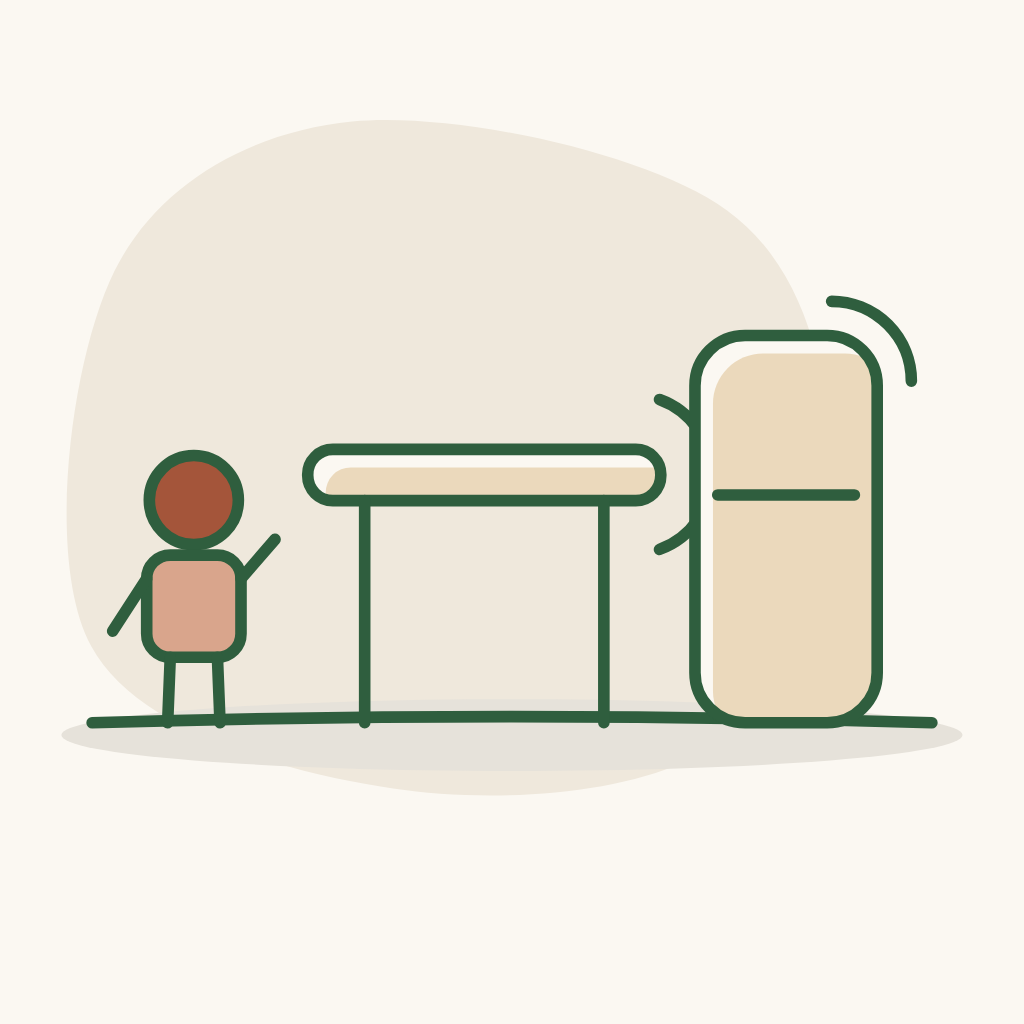
Safety for small children and the elderly
Safety for small children and the elderly: avoid sharp corners and edges throughout the house as much as possible; opening a cabinet should not hit the legs and cause scrapes or bleeding.
For the architect
13 notes
Safety for small children and the elderly: avoid sharp corners and edges throughout the house as much as possible; opening a cabinet should not hit the legs and cause scrapes or bleeding.
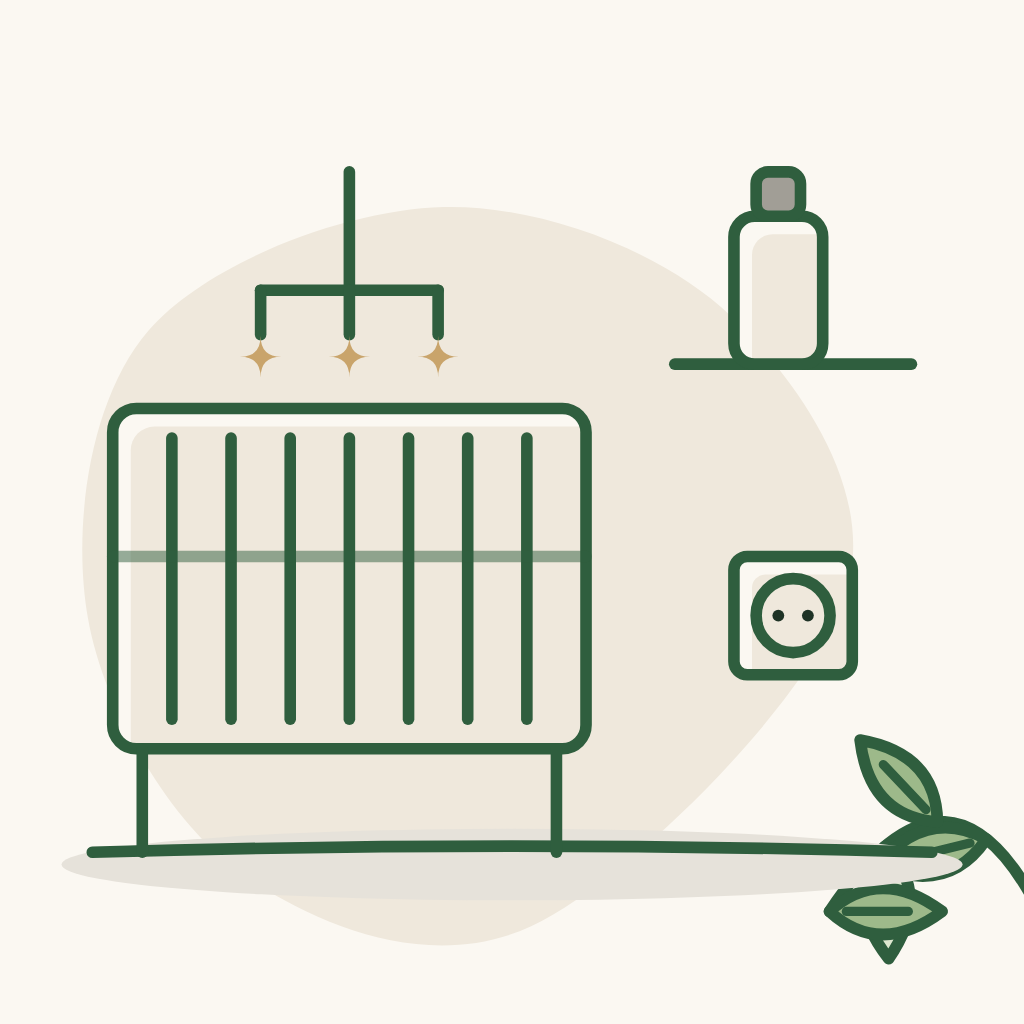
Planning to have a baby: the house may not be designed specifically for the baby, but make sure of: enough power sockets; space for equipment (breast pump, milk warmer, hot water, bottle dryer...); space for a crib in the room. Pay attention to interior design, architectural shapes and power sockets for a house with children - avoid danger.

Minimalist style: straight walls, few details, no cornices, no unnecessary decoration. For decoration, hang paintings.
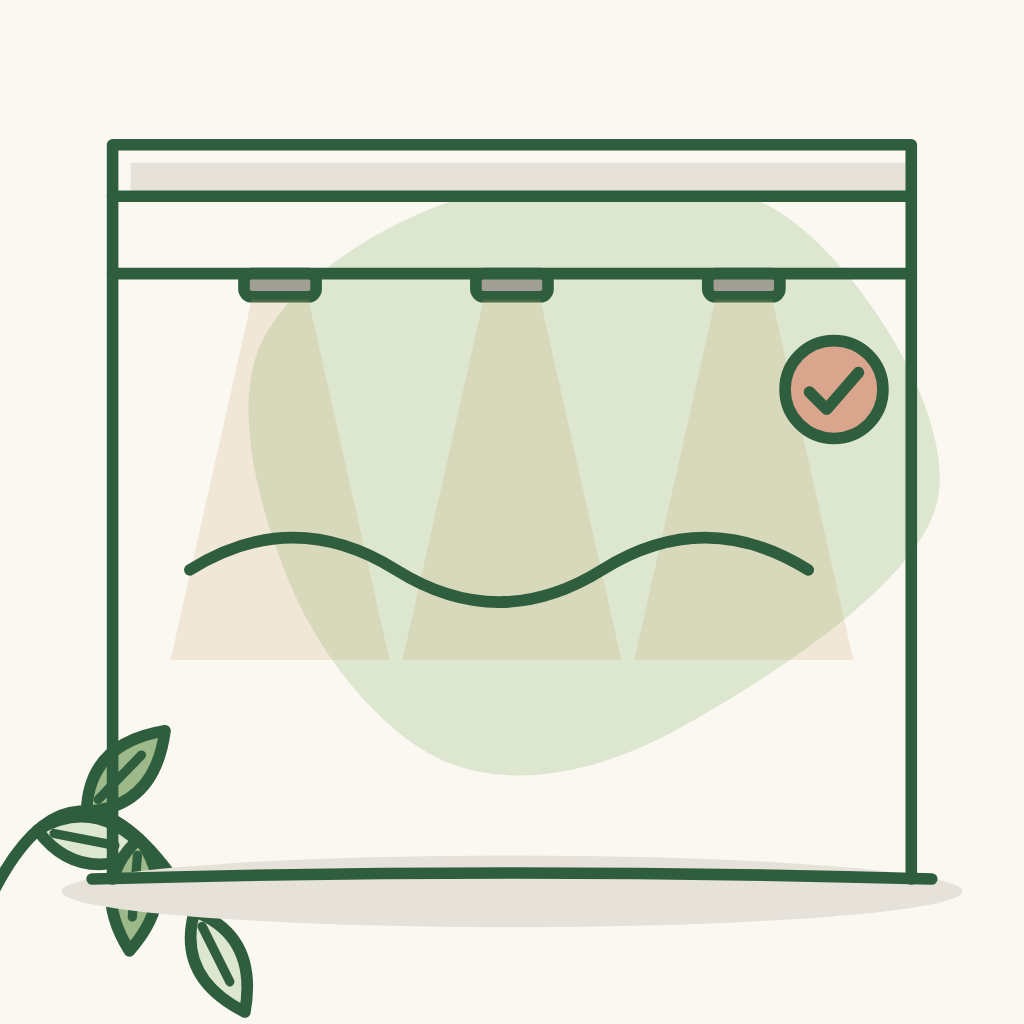
Simple, pretty ceiling: not many ups and downs (no stepped levels), no cornices.
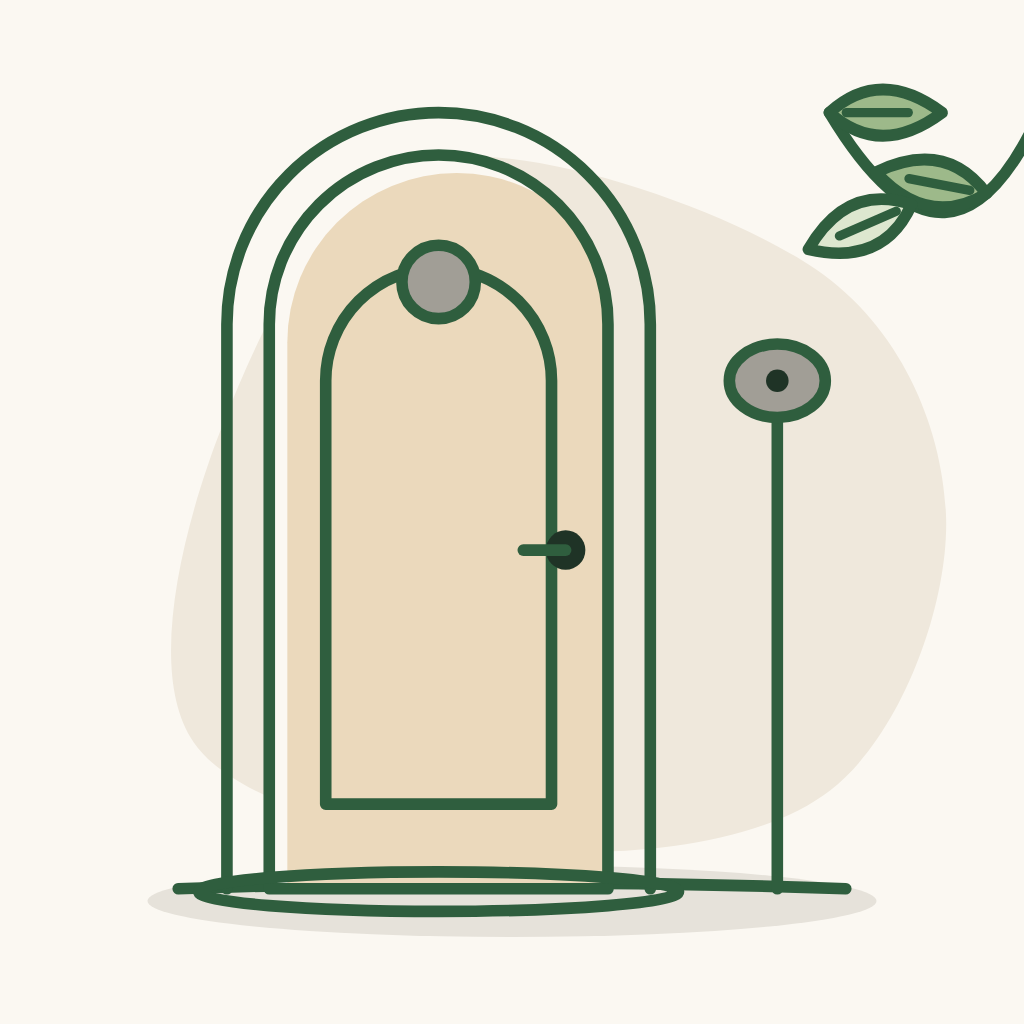
Interior doors in a curved arch shape.
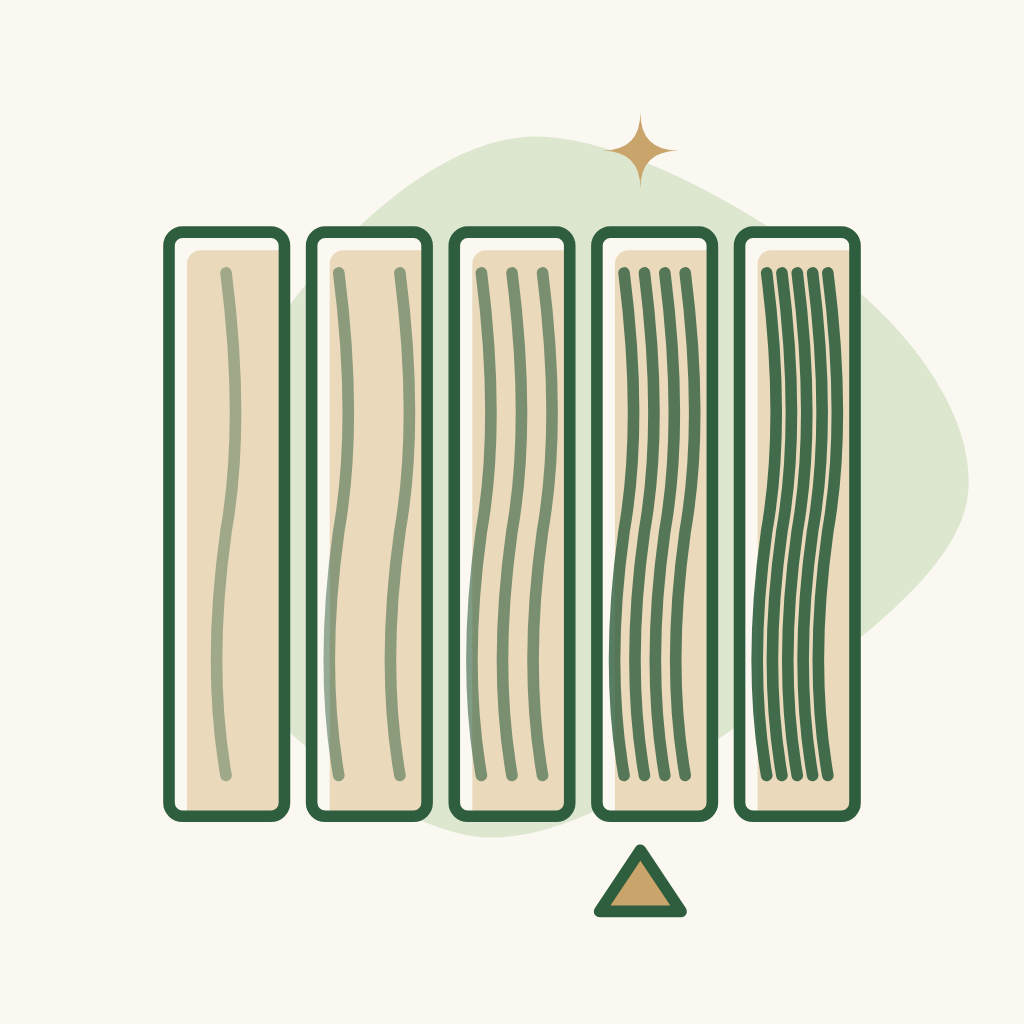
Slightly deep wood colour, not bright: if light engineered wood is 1 and dark red walnut is 10, the colour wanted is around 6-7. Prefer natural wood for bookshelves, stair steps, ladders and wherever wood is needed - including reclaimed wood (it carries the beauty of time, rough rather than glossy). Outdoor positions such as the gate, side door... can also be prioritised. For interior doors inside the house, should composite be used for safety?
Easy to repaint and change colour - planning to repaint about once every 5 years.

Some walls with a slightly rough, cheap, easy-to-recolour texture - instead of stone cladding (interior walls, exterior walls, yard walls). Where should this be done? Is it OK to waterproof and then apply textured / rough paint directly on the wall - the owner heard that no skim coat is needed and paint can go straight onto concrete? What are the pros and cons?
Indoor plants (optional).
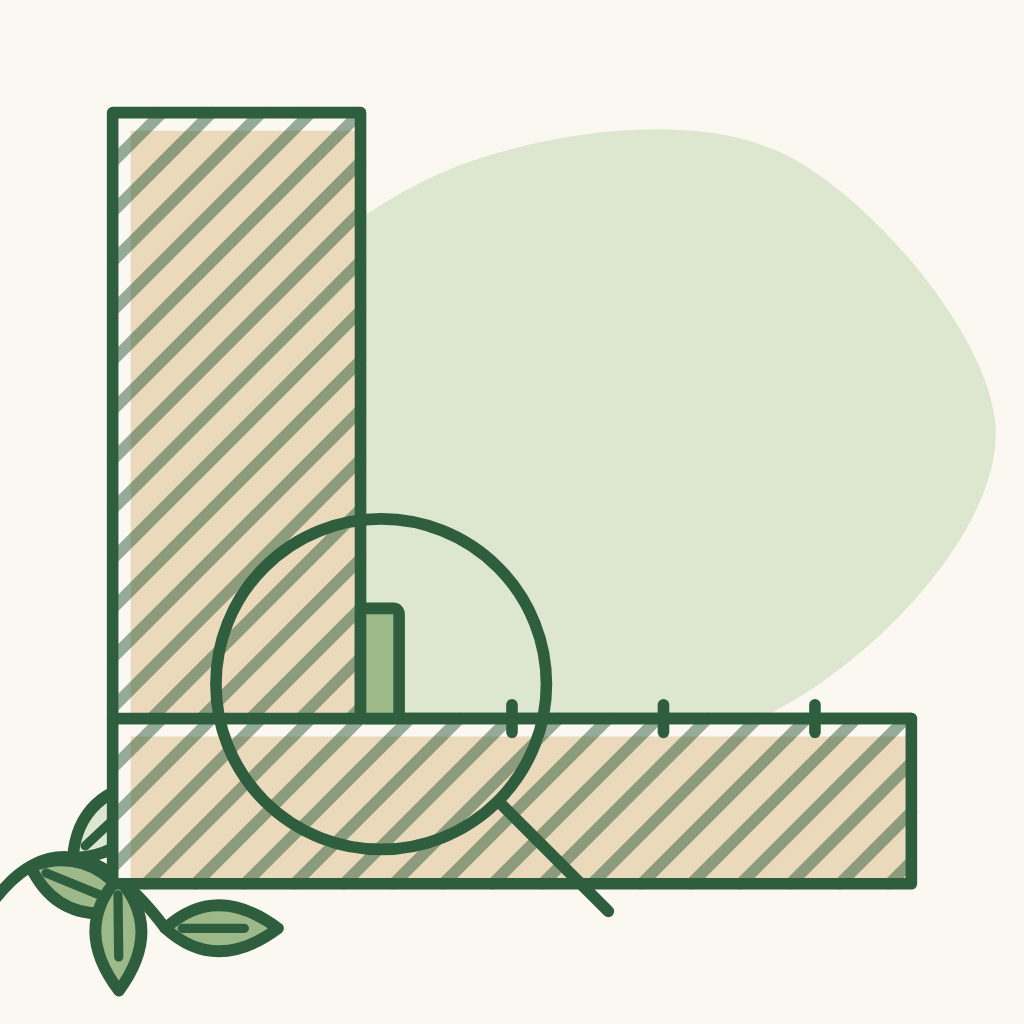
The transition between 2 materials (e.g. skirting, wall trim) must be neat and pretty - detailed drawings / images needed.
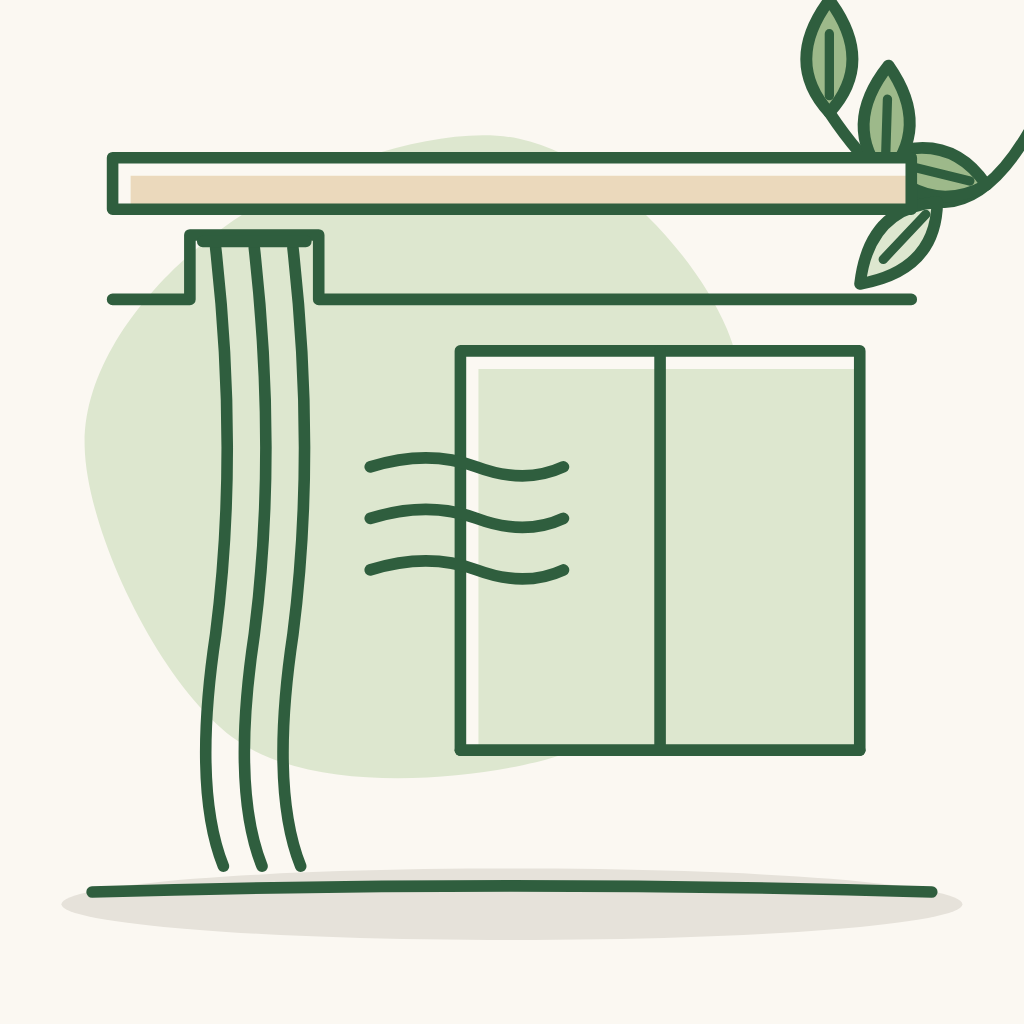
Curtains must leave a pocket for recessed installation - avoid exposing the wooden / aluminium curtain rail, for a tidier look. At noon the room needs to be dark for resting while still having a breeze and staying cool. What solution (curtains?)
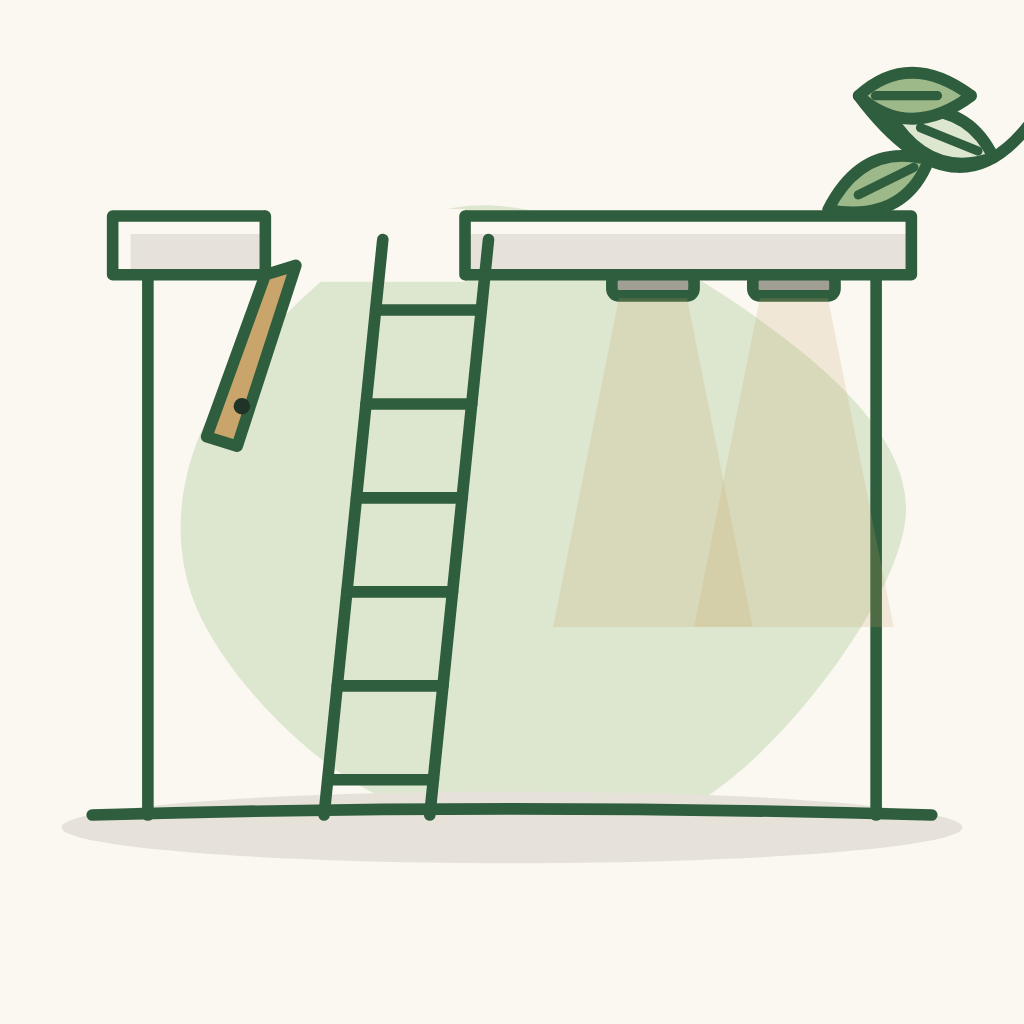
Ceiling access panel tucked neatly in a corner, not touching the lamp positions, easy to maintain and repair while still looking good - the architect plans the position on the ceiling drawing in advance.
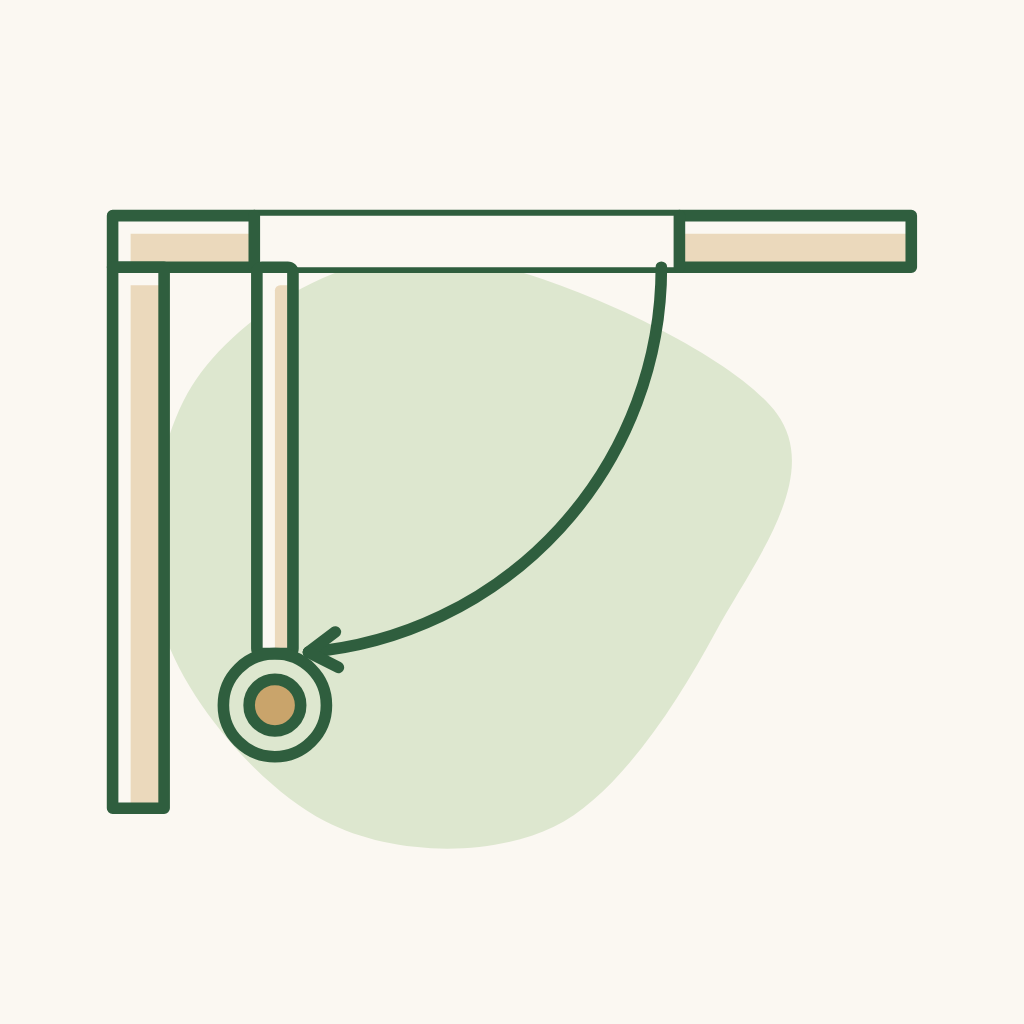
Plan door stoppers from the design stage - do not use one type for every room, choose according to actual usage habits.